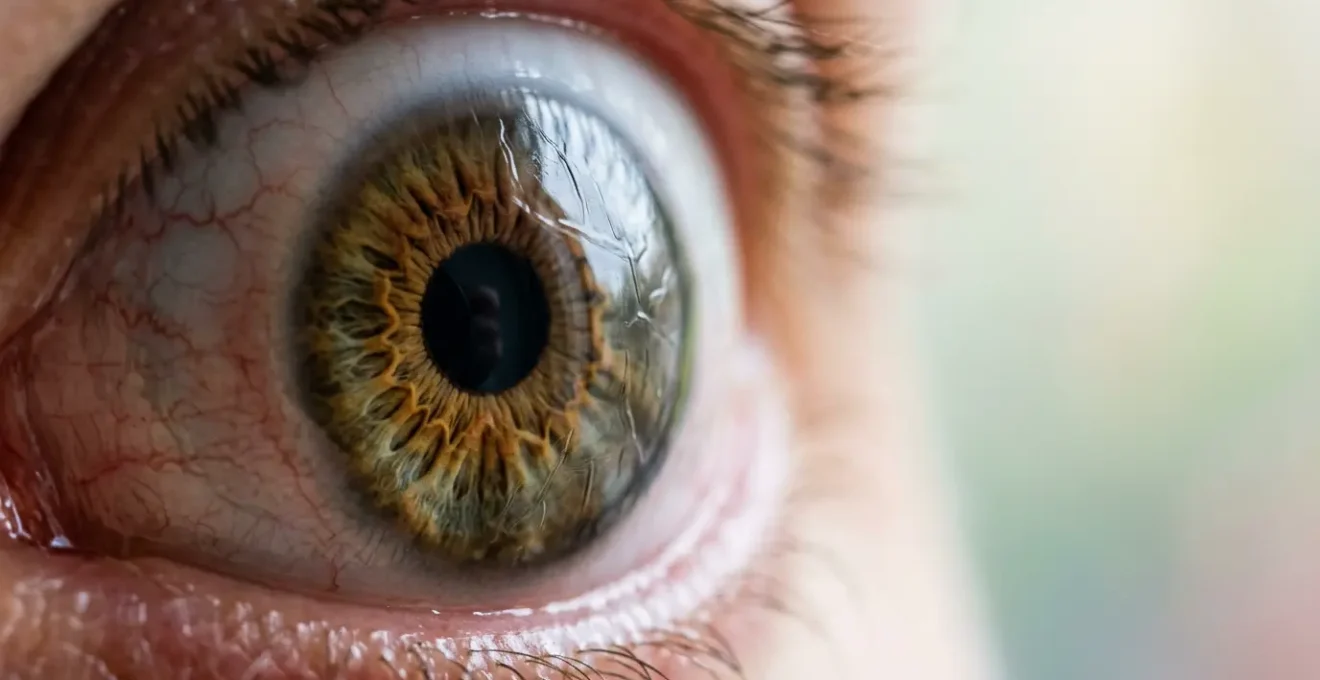
Falling asleep in your contact lenses is not a minor mistake—it’s an active decision to suffocate your cornea, creating a perfect breeding ground for vision-threatening bacteria.
- Your cornea gets oxygen directly from the air; a contact lens, especially during sleep, acts as a plastic barrier, triggering a state of oxygen deprivation (hypoxia).
- This hypoxia weakens your eye’s natural defenses, making it exponentially more vulnerable to severe infections like microbial keratitis.
Recommendation: Treat your contact lenses like the medical devices they are. The two minutes it takes to remove them before sleep is the single most important investment you can make in preserving your sight for a lifetime.
Let’s be honest. You’ve done it. After a long day of classes or a late night out, the thought of stumbling to the bathroom to take out your contact lenses feels like a monumental task. You tell yourself, “Just this once, what’s the harm?” This single thought, born of convenience and exhaustion, is one of the most dangerous gambles a contact lens wearer can take. As an optometrist who has seen the devastating outcomes of this gamble far too often, particularly among students, it’s time for a frank discussion.
The standard advice you’ve heard—”Don’t sleep in your contacts”—often feels abstract, like a suggestion rather than a strict rule. You might know it increases infection risk, but the real-world consequences seem distant and unlikely. We’re not just talking about a bit of redness or irritation. We’re talking about painful, sight-stealing corneal ulcers and infections that can develop with alarming speed. The problem isn’t bad luck; it’s basic biology.
This isn’t another gentle reminder. This is a wake-up call. We are going to move beyond the platitudes and dissect the non-negotiable biological chain reaction you trigger the moment you close your eyes with lenses in. We will explore the science of corneal suffocation, the brutal reality of eye infections, and the simple, non-negotiable habits that separate a lifetime of clear vision from a future of regret. We will also analyze which lens types and cleaning solutions offer the best defense for your specific lifestyle, so you can make informed decisions, not convenient gambles.
This guide breaks down the science behind the risk and provides the clear, actionable protocols you need to protect your eyes. Explore the sections to understand the full picture of contact lens safety.
Summary: Sleeping in Contact Lenses: Why One Night Can Cost You Your Vision?
- Why Do Your Eyes Need Oxygen Even When You Are Asleep?
- How to Descale Your Lens Case to Kill Biofilm Bacteria?
- Dailies or Monthlies: Which Lens Type Reduces Infection Risk for Lazy Wearers?
- The “Just One More Day” Myth That Ruins Your Corneal Health
- When to Switch To Glasses During Camping Trips to Avoid Infection?
- Why Is Corneal Pain So Much More Intense Than Normal Irritation?
- Why Do Preservatives in Multipurpose Solutions Irritate Some Eyes?
- Multipurpose vs Hydrogen Peroxide: Which Contact Solution Is Safer for Sensitive Eyes?
Why Do Your Eyes Need Oxygen Even When You Are Asleep?
Unlike most tissues in your body that receive oxygen from your bloodstream, your cornea—the transparent front part of your eye—gets its oxygen supply directly from the atmosphere. When your eye is open, it breathes freely. A modern soft contact lens is designed to be permeable, allowing a significant amount of oxygen to pass through. However, it’s still a physical barrier. When you close your eye to sleep, you already reduce the oxygen supply from the eyelid’s blood vessels. Adding a contact lens into that closed environment is like putting a plastic bag over your head while you sleep.
This state of severe oxygen deprivation is called corneal hypoxia. In response, the cornea’s surface cells (the epithelium) become weak and compromised. Tiny microscopic breaks can form, creating entry points for bacteria. It’s no longer a strong, resilient barrier but a compromised defense system. This is not a hypothetical risk; it is a physiological certainty. The data is unequivocal.
According to the Centers for Disease Control and Prevention (CDC), sleeping in contact lenses increases the risk for eye infections by six to eight times. It’s one of the most reported risk factors in cases of microbial keratitis, a severe infection of the cornea. As optometrist Dr. Dan Twelker explains, the lack of air exchange is a critical failure. This isn’t just about discomfort; it’s about creating a toxic environment on the surface of your eye.
When your eyes are closed, there’s not enough air exchange to keep the cornea healthy. Toxins build up, leading to inflammation and swelling.
– Dr. Dan Twelker, Banner Health optometrist statement on corneal hypoxia
How to Descale Your Lens Case to Kill Biofilm Bacteria?
If sleeping in your lenses is the primary crime, a dirty lens case is the accessory. Many wearers believe that a quick rinse and fresh solution are enough. This is a critical misunderstanding. Your lens case is not just a container; it’s an incubator. Over time, microorganisms from your fingers and the environment build a slimy, protective matrix on the case’s inner surfaces. This is a bacterial biofilm, a fortified city for pathogens like Pseudomonas or Serratia.
Once a biofilm is established, simply topping off the solution is useless. The fresh disinfectant can’t penetrate this fortress, and the bacteria within continue to thrive, contaminating your “clean” lenses every single night. When you place that lens on a cornea already weakened by hypoxia, you are delivering a targeted payload of infectious agents directly to a compromised surface. Killing this biofilm requires a mechanical, multi-step process, not just a passive soak.
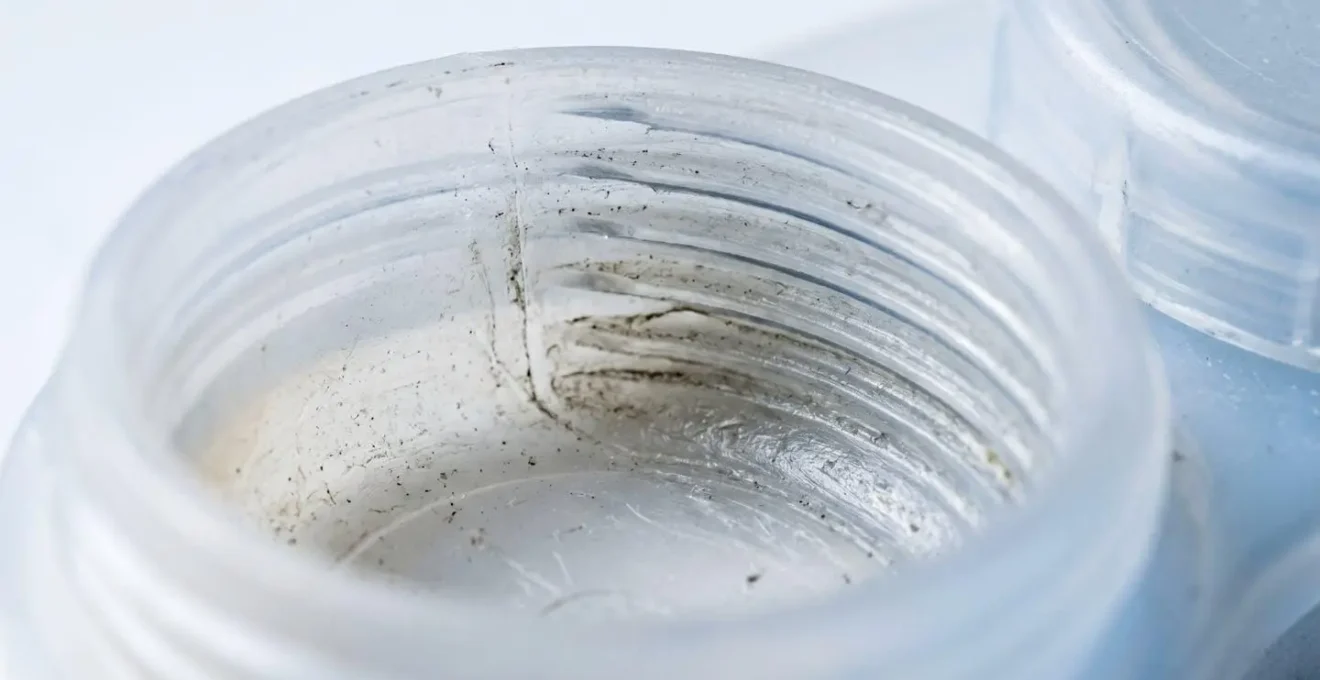
The image above illustrates the microscopic ridges and corners where these bacterial colonies take hold. Simply rinsing the case leaves these entrenched communities untouched. The only effective method is a physical scrub combined with proper drying to deny bacteria the moist environment they need to multiply. A lens case should be seen as a medical instrument that requires sterilization, not just rinsing.
Your Action Plan to Eradicate Biofilm
- Rinse the lens case thoroughly with fresh multipurpose solution (never use tap water).
- Rub the interior surfaces of both wells vigorously with your clean fingertip and more solution.
- Wipe the case interior dry with a clean, lint-free tissue, focusing on the threads and corners where biofilm accumulates.
- Air-dry the case and caps, face-down on a clean tissue, to prevent airborne contamination.
- Replace your lens case at least every 1-3 months, regardless of its appearance. It’s a non-negotiable cost of safe lens wear.
Dailies or Monthlies: Which Lens Type Reduces Infection Risk for Lazy Wearers?
The debate between daily disposable and reusable (monthly or bi-weekly) lenses isn’t just about cost or convenience; it’s fundamentally about risk management. For the wearer who is prone to cutting corners—the “lazy wearer”—the choice has significant safety implications. Reusable lenses require a strict, daily regimen of cleaning and disinfection. Every step offers a potential point of failure: a rushed cleaning, a dirty case, or stretching a lens “just one more day.”
Daily disposables are designed to eliminate these human-error variables. You start with a fresh, sterile lens every single day and discard it at night. There is no case to clean, no solution to top off, and no opportunity for biofilm to form. This isn’t just a theoretical benefit; the data shows a dramatic reduction in risk. A landmark study highlighted the danger associated with reusable systems.
Specifically, a UCL and Moorfields study found that people wearing reusable soft contact lenses had 3.8 times higher odds of developing Acanthamoeba keratitis, a rare but devastating, sight-threatening infection. The study concluded that a significant number of cases could be prevented by simply switching to daily disposables.
Case Study: Preventing Keratitis by Switching to Daily Disposables
Researchers at UCL and Moorfields Eye Hospital estimated that 30-62% of Acanthamoeba keratitis cases in the UK could be prevented if wearers switched from reusable to daily disposable lenses. Crucially, the study also found that among the few daily disposable wearers who did get infected, the primary risk factor was reusing their “daily” lenses. This demonstrates that the safety of the system depends entirely on adhering to its single-use design. The behavioral guardrails only work if you don’t intentionally bypass them.
The “Just One More Day” Myth That Ruins Your Corneal Health
It’s a common, seemingly logical thought: “This monthly lens still feels fine, so I’ll wear it for another week to save money.” Or, “I only wore these dailies for a few hours, I can reuse them tomorrow.” This mentality, known as “lens stretching” or overwear, is one of the most pervasive and damaging myths in contact lens use. A lens’s replacement schedule is not a suggestion; it’s a structural and material deadline.
Over time, a contact lens accumulates deposits of proteins, lipids, and other substances from your tears. These deposits not only cloud your vision but also turn the lens into a rough, abrasive surface that irritates your cornea. More importantly, this deposit-laden surface becomes a welcoming home for bacteria. Furthermore, the material itself begins to degrade. Its ability to transmit oxygen (its Dk/t value) decreases, effectively suffocating your cornea even more than a fresh lens would.
Stretching a lens is a false economy. The few dollars you might save are insignificant compared to the cost—both financial and personal—of treating a serious infection. The societal burden of these preventable habits is staggering. As reported by the CDC, these complications are not a minor issue; they represent a significant public health cost that stems directly from poor hygiene and overwear.
Nearly one million U.S. health care visits for keratitis (inflammation of the cornea) or contact lens complications occur annually, at a cost of $175 million.
– CDC Researchers, CDC Morbidity and Mortality Weekly Report on contact lens demographics
When to Switch To Glasses During Camping Trips to Avoid Infection?
Wearing contact lenses in the great outdoors, such as during a camping trip, music festival, or backpacking adventure, introduces a host of new risks. The clean, controlled environment of your bathroom is replaced with dirt, dust, campfire smoke, and, most critically, a lack of clean running water for handwashing. Handling a contact lens with even slightly dirty hands is a direct invitation for infection. It is in these high-risk scenarios that having a backup pair of glasses is not just a suggestion—it is mandatory.
The single biggest outdoor risk is water. Rinsing your lenses or case with water from a lake, stream, or even campground tap can expose you to Acanthamoeba, a free-living amoeba that causes an excruciatingly painful and notoriously difficult-to-treat infection that can lead to permanent vision loss or the need for a corneal transplant. Your strategy in these environments should be one of active risk assessment. You must honestly evaluate your ability to maintain sterile technique before deciding whether to wear your lenses.
To make this simple, think in terms of a traffic light system: Green for safe, Yellow for caution, and Red for high-risk. Before you even touch a lens, assess your environment and resources against this checklist.
Your Camping Safety Protocol
- Green Zone (Safe): Clean running water, soap, a mirror, and fresh solution are all available. With proper hand hygiene, lens wear can be safe.
- Yellow Zone (Caution): Only hand sanitizer and bottled water are available. There’s no soap or running water. Consider switching to glasses. If you must wear lenses, use preservative-free rewetting drops frequently and minimize wear time.
- Red Zone (High Risk): Your hands are dirty, there’s no clean water source, or the environment is dusty/smoky. Immediately switch to your backup glasses. Do not attempt to handle your contact lenses under any circumstances.
- Your Essential Kit: Always pack a new lens case, travel-size solution, preservative-free rewetting drops, hand sanitizer (60%+ alcohol), and a mandatory backup pair of glasses.
Why Is Corneal Pain So Much More Intense Than Normal Irritation?
Anyone who has had even a tiny speck of dust in their eye knows how sensitive it is. But the pain from a corneal abrasion or infection like keratitis is on an entirely different level. It’s often described as a stabbing, burning, or grinding sensation that is impossible to ignore. This isn’t an overreaction; it’s a direct result of the unique anatomy of the human cornea. It is one of the most densely innervated tissues in the entire body.
To put this in perspective, scientific research shows the density of pain receptors in the cornea is 300-600 times greater than skin and 20-40 times greater than dental pulp (the nerve inside your tooth). This incredible density of nerve endings serves as a powerful, hyper-sensitive alarm system to protect our most critical sense. When the surface of the cornea is breached by an infection, these countless nerve endings are directly exposed and fire off intense, relentless pain signals to the brain.
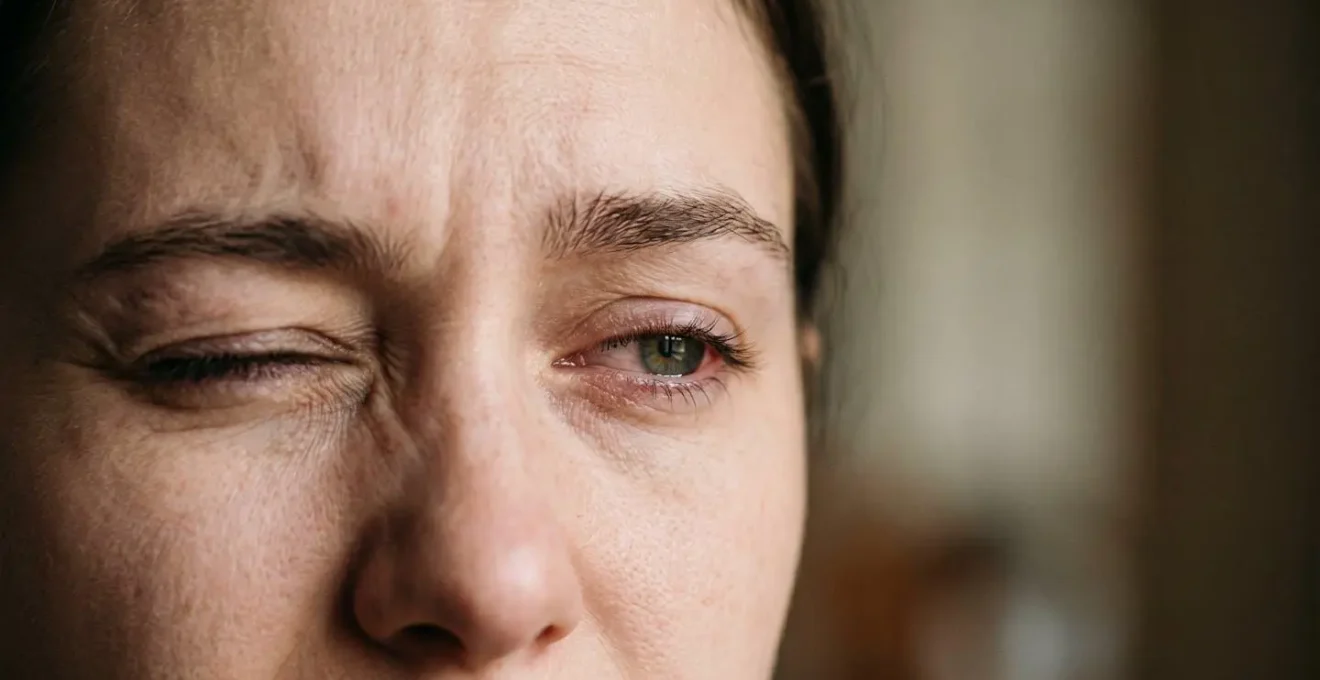
This is why a corneal ulcer is not just “an irritation.” It is an agonizing condition accompanied by extreme light sensitivity (photophobia), constant tearing, and the feeling that a piece of glass is permanently lodged in your eye. This pain is the body’s desperate, screaming signal that something is seriously wrong and that your vision is in immediate danger. Ignoring the early signs of a problem because you hope it will “just go away” is a dire mistake when dealing with this level of biological sensitivity.
Why Do Preservatives in Multipurpose Solutions Irritate Some Eyes?
Multipurpose solutions are the go-to for most reusable lens wearers due to their convenience: they clean, rinse, and disinfect in one bottle. To achieve this, they contain chemical preservatives like polyhexamethylene biguanide (PHMB) or polyquaternium. These agents are designed to kill bacteria and fungi. However, for a significant number of wearers, these same chemicals can become a source of chronic, low-grade irritation, dryness, and allergic reactions. The very thing meant to keep your lenses safe can, over time, make them uncomfortable to wear.
This happens because the preservatives can bind to the lens material and are then held against your cornea for hours. This prolonged exposure can have a mild toxic effect on the delicate epithelial cells of the corneal surface, a condition known as solution-induced corneal staining (SICS). Symptoms often include end-of-day discomfort, redness, and a feeling of dryness that isn’t relieved by rewetting drops. Wearers often blame the lenses themselves, when the culprit is actually the solution they’re using.
Furthermore, while these solutions are effective against free-floating bacteria, their ability to defeat an established biofilm is limited. They may kill some surface organisms but often fail to break down the protective matrix, leaving the core of the infection intact.
Of the solutions tested, none were able to prevent biofilm formation or disrupt established biofilm, but those containing chlorhexidine or povidone iodine were able to penetrate the biofilm and kill organisms.
– Research team studying rigid contact lens solutions, PubMed study on biofilm prevention and disruption in lens cases
Key Takeaways
- Oxygen deprivation (hypoxia) from sleeping in lenses is not a risk, but a biological certainty that weakens your eye’s primary defense.
- Your lens case is a bacterial fortress (biofilm) that requires daily mechanical scrubbing and regular replacement to prevent infection.
- For those who struggle with hygiene, daily disposable lenses are a behaviorally safer system that dramatically reduces the risk of serious infection compared to reusable lenses.
Multipurpose vs Hydrogen Peroxide: Which Contact Solution Is Safer for Sensitive Eyes?
For wearers of reusable lenses, especially those with sensitive eyes or issues with chronic dryness, the choice of cleaning system is critical. While multipurpose solutions (MPS) offer convenience, hydrogen peroxide-based systems provide a higher level of disinfection with zero preservatives making it to the eye, making them the gold standard for many optometrists.
A hydrogen peroxide system works through a two-step process. First, the lenses are placed in a special case containing 3% hydrogen peroxide, a powerful disinfectant. The bubbling action you see is not just for show; it’s an effervescent cleaning force that mechanically loosens proteins and debris. The case contains a neutralizing disc (often a platinum-coated ring) that catalyzes a chemical reaction, converting the potent hydrogen peroxide into a harmless, preservative-free saline solution over a period of at least six hours. When the process is complete, you are left with a deeply cleaned, sterilized lens sitting in pure saline.
This process has two major advantages: superior cleaning and the complete absence of preservatives on the final lens. This makes it an ideal choice for anyone experiencing irritation from MPS. However, this safety comes with a strict rule: un-neutralized hydrogen peroxide must never, ever come into contact with your eye. It will cause severe chemical burns and intense pain. You must always use the special case provided and allow the full 6-hour neutralization cycle to complete. The table below, based on data from clinical studies on solution efficacy, breaks down the key differences.
| Feature | Multipurpose Solution (PHMB/Polyquad) | Hydrogen Peroxide System (3%) |
|---|---|---|
| Preservatives | Contains chemical preservatives (PHMB, polyquaternium, etc.) | Preservative-free after neutralization |
| Cytotoxicity Risk | Low-grade toxic effect on corneal epithelial cells with prolonged use | None after complete neutralization (6+ hours) |
| Cleaning Power | Requires manual rubbing for effective protein/lipid removal | Effervescent bubbling action provides mechanical cleaning force |
| Convenience | One-step process: rinse, rub, store | Two-step process: requires 6-hour neutralization cycle |
| Biofilm Efficacy | 41-55% of bacteria survive in biofilms (study data) | >95% kill rate with povidone-iodine or chlorhexidine formulations |
| Ideal For | Routine wearers without sensitivity issues | Sensitive eyes, chronic dry eye, heavy protein depositors |
| Safety Risk | Allergic reactions to preservatives (rare) | Severe eye damage if un-neutralized solution contacts eye |
Your vision is non-negotiable. The convenience of a few extra minutes of sleep is not worth the risk of a painful, potentially blinding infection. Treat your contact lenses as the medical devices they are, not as a casual accessory. Re-evaluate your habits tonight. Your future self will thank you for the thirty seconds you spend today to ensure a lifetime of sight.