Glasses and Contact Lenses
Whether you are navigating the subtle differences in optical prescriptions or deciding between the convenience of daily disposables and the style of designer frames, understanding your vision correction options is fundamental to your daily well-being. Correcting refractive errors is not merely about achieving 20/20 vision; it is about preserving corneal health, preventing chronic headaches, and optimising your visual comfort in an increasingly screen-dominated world.
The optical landscape can often feel overwhelming, filled with technical jargon like pupillary distance, silicone hydrogel, and high-index materials. This comprehensive overview breaks down the essentials of glasses and contact lenses, offering practical insights to help you make informed decisions about your eye health, lifestyle requirements, and optical budget.
Demystifying Your Optical Prescription and Measurements
A precise prescription is only the first step towards crystal-clear vision. How that prescription is translated into physical lenses and aligned with your eyes dictates whether you will experience visual harmony or debilitating eye strain.
The Crucial Role of Pupillary Distance (PD)
Your Pupillary Distance (PD) is the exact measurement in millimetres between the centres of your pupils. Think of it as the tracking alignment of a car; if it is even slightly off, the entire system pulls in the wrong direction. Many people attempt to measure this at home using apps without a mirror, but a mere 2mm error can ruin your vision, especially with strong prescriptions or progressive lenses, leading to severe headaches and a sensation of pulling.
Adjusting to New Lenses and Base Curves
It is entirely normal to feel dizzy or notice the floor looking suspiciously curved when you first wear new single-vision glasses. This adaptation period occurs because your brain is recalibrating to a new optical environment. However, if headaches persist, it may be due to a base curve mistake. Changing the fundamental shape and curvature of your frame alters how light hits the eye. Upgrading from standard spherical lenses to aspheric designs can significantly reduce this « fishbowl » effect and flatten the lens profile for better aesthetics.
Perfecting Your Glasses: Frames, Thickness, and Coatings
Choosing glasses involves balancing mechanical durability with optical physics. The right combination ensures your spectacles survive daily life while providing pristine visual clarity.
Selecting the Right Frame Material and Fit
When investing in frames, the material dictates longevity and comfort. For daily office wear, titanium offers a lightweight, hypoallergenic, and incredibly robust solution, whereas high-quality acetate provides rich colours and natural warmth. However, acetate requires care—the common mistake of using a hairdryer to adjust the arms at home can snap the material instantly. To ensure a secure fit, especially for sports, consider temples with a skull grip rather than straight arms. Furthermore, individuals with narrow noses should avoid the « standardfit » trap, which inevitably leads to constant slipping and frustrating red marks.
Managing Lens Thickness and Optics
For those with high prescriptions, the goal is often to minimise the « tinyeye » look while keeping the glasses lightweight. This is where lens thinning comes into play:
- Standard 1.5 Index: Suitable for low prescriptions but can be thick and heavy for anything above a +/- 3.00.
- High Index 1.67 and 1.74: These materials bend light more efficiently, resulting in significantly thinner edges.
- Polycarbonate: Highly impact-resistant, making it ideal for safety, though it can sometimes suffer from lower optical clarity.
Be wary of the dispersion trap: exceptionally thin lenses can sometimes cause rainbow halos around lights due to a lower Abbe value. Often, opting for a thicker plastic frame can naturally hide lens edges, saving you the premium cost of ultra-high index thinning.
The Truth About Lens Coatings
Lens coatings enhance your vision but are notoriously fragile. Anti-reflective layers peel off primarily due to extreme heat—simply opening a hot oven door while wearing your glasses can cause instant crazing (micro-cracking) of the coating. Similarly, using lemon-scented washing-up liquid can corrode the anti-glare layer over time. To protect your investment, always clean your lenses with a dedicated spray and microfibre cloth.
Regarding blue light glasses, it is vital to differentiate between marketing gimmicks and essential protection. While blue-turquoise light is beneficial for cognitive function and mood, blue-violet light is the spectrum you want to filter. Wearing blue blockers before bed can protect your circadian rhythm, but remember: standard blue light glasses do not inherently offer UV protection unless specifically stated.
Mastering Contact Lens Health and Hygiene
Contact lenses offer unparalleled peripheral vision and freedom for active lifestyles. However, introducing a foreign object to your cornea demands strict adherence to hygiene protocols to prevent sight-threatening infections.
Understanding Lens Materials and Oxygen Flow
The most crucial metric on your contact lens box is the Dk/t value, which measures oxygen transmissibility. Your corneas have no blood vessels and rely entirely on absorbing oxygen directly from the air. Traditional hydrogel lenses hold high water content but restrict airflow, whereas silicone hydrogel acts like a breathable athletic fabric, allowing significantly more oxygen to pass through. If you experience chronically itchy eyes with modern lenses, you might be one of the rare individuals allergic to silicone, necessitating a switch back to standard hydrogels or glasses.
Daily Maintenance and Cleaning Solutions
Proper disinfection is non-negotiable. Saline solution is strictly for rinsing and does absolutely nothing to kill bacteria. For disinfection, you have two primary choices:
- Multipurpose Solutions: Convenient for daily use, but the preservatives can irritate sensitive eyes.
- Hydrogen Peroxide Systems: Highly effective at deeply cleaning lenses and free of preservatives once neutralised. However, you must let them sit for the full neutralisation cycle (usually 6 hours) to avoid severe chemical burns to your cornea.
Never commit the « toppingoff » mistake—adding fresh solution to old liquid in your case breeds dangerous superbugs. Furthermore, cases should be descaled regularly to destroy bacterial biofilms and thrown away entirely every month, regardless of how clean they appear.
The Dangers of Overwearing Lenses
The « justonemoreday » myth destroys corneal health. Stretching a monthly lens into week five degrades the material, increasing friction and the risk of microbial keratitis. Sleeping in contact lenses—even for just one night—drastically reduces oxygen supply, causing the cornea to swell and become a breeding ground for bacteria. When embarking on camping trips where hygiene is compromised, it is always safer to switch to glasses.
Specialised Solutions: Night Driving and Ortho-K
Modern optical technology offers targeted solutions for specific lifestyle challenges, from navigating treacherous roads in the dark to reshaping your vision while you sleep.
Conquering Night Driving Glare
Night driving on UK roads has become increasingly stressful due to modern LED headlights, which emit a sharply focused, cooler light that causes painful glare. While the myth of yellow night driving glasses persists—they actually hinder safety by reducing overall light transmission—the best defence is a premium anti-reflective coating. Additionally, keeping the inside of your windshield meticulously clean instantly reduces oncoming light scatter. If you suffer from halo effects at night, switching to contact lenses often provides a sharper retinal image than glasses, as they move naturally with your eye.
The Freedom of Ortho-K Lenses
Orthokeratology (Ortho-K) involves wearing bespoke, rigid gas-permeable lenses overnight. As you sleep, the underlying tear film gently reshapes the surface of your cornea. You remove the lenses in the morning and enjoy clear, unaided vision all day. This is highly effective for lifestyle freedom and myopia control in younger patients. However, the process relies on the 6-hour rule: if you do not sleep long enough, the reshaping will be incomplete, leaving you with blurry vision the next day.
Navigating the Optical Market: Costs and Subscriptions
Managing your optical care also means managing your budget. Understanding the commercial side of the industry helps you avoid unnecessary expenses.
Many high street opticians push monthly direct debits for contact lenses. While convenient, these plans can sometimes be a financial drain compared to bulk buying online, which can save you up to £100 a year. It is also worth noting that many own-brand lenses (such as Specsavers Easyvision) are actually rebranded versions of premium lenses from major manufacturers like CooperVision or Alcon. Knowing the exact specifications of your lenses allows you to shop around safely, provided your prescription is valid and up to date.
Whether you choose the high-tech precision of Ortho-K lenses, the robust reliability of titanium frames, or the daily convenience of silicone hydrogel contacts, prioritising regular check-ups and proper maintenance will ensure your vision remains sharp and your eyes healthy for years to come.
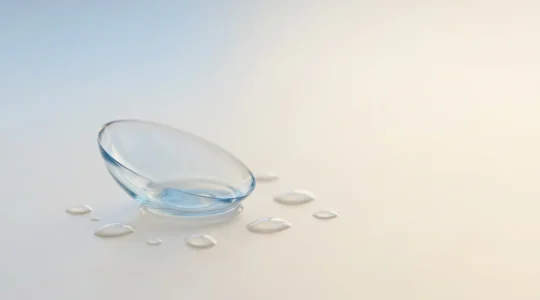
Ortho-K: Engineering Clear Vision Overnight for Peak Daytime Performance
Ortho-K provides complete visual freedom for athletes by biomechanically reshaping the cornea during sleep. It uses the gentle, hydraulic pressure of your tear film to…
Lire la suite
Hydrogel vs Silicone Hydrogel: Which Lens Material Lets Your Eyes Breathe?
The key to all-day contact lens comfort isn’t just choosing a « breathable » material, but creating a compatible system between the lens, your personal tear chemistry,…
Lire la suite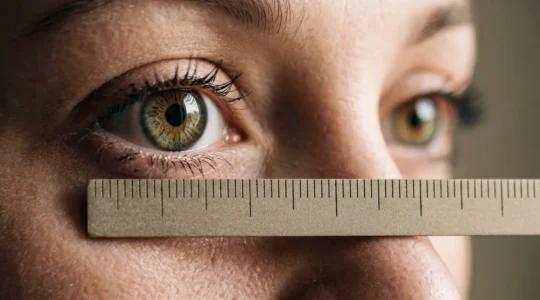
Measuring Pupillary Distance at Home: The 2mm Error That Ruins Your Vision?
Getting your Pupillary Distance (PD) wrong is the number one reason online glasses orders fail, often resulting in eye strain, headaches, and wasted money. A…
Lire la suite
Monthly Direct Debits for Contact Lenses: Are High Street Plans a Rip-Off?
High street direct debit plans for contact lenses are not a healthcare service; they are a costly convenience bundle you can, and should, break apart….
Lire la suite
Online Glasses vs High Street Fitting: The Comfort Gap You Can’t Ignore?
The ‘convenience’ of buying glasses online often results in a product that is optically and physically misaligned with your unique facial geometry. A proper fit…
Lire la suite
Anti-Reflective Coatings: Why Do They Peel Off and How to Prevent It?
The premature peeling of your glasses’ anti-reflective coating isn’t from a single mistake, but from a series of daily ‘micro-aggressions’ you’re likely unaware of. Extreme…
Lire la suite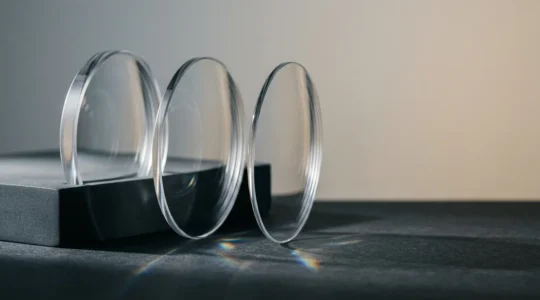
Lens Thinning: Is High Index Worth the Extra £100 for Your Prescription?
Deciding on high-index lenses isn’t just about cost; it’s a strategic trade-off between aesthetics and optical performance. Thinner lenses (higher index) often come at the…
Lire la suite
Single Vision Lenses: Why Do You Feel Dizzy With Your New Prescription?
That unsettling dizziness or « fishbowl » feeling with new glasses is alarming, but it’s usually caused by a predictable conflict between your eyes and brain, not…
Lire la suite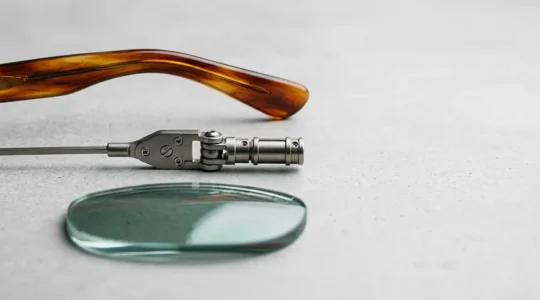
Frames vs Lenses: A Strategist’s Guide to Investing in Your Eyewear
The true value of premium eyewear lies not in choosing between a brand name and lens technology, but in mastering their strategic integration. Designer price…
Lire la suite
Blue Light Glasses: Essential Protection or Just a Marketing Gimmick?
The effectiveness of blue light glasses depends entirely on using the right type of lens at the right time of day; most standard « computer glasses »…
Lire la suite