
The key to all-day contact lens comfort isn’t just choosing a “breathable” material, but creating a compatible system between the lens, your personal tear chemistry, and your cleaning solution.
- Silicone hydrogel lenses excel at oxygen transmission but their water-repelling nature can attract lipid (oily) deposits, leading to smudges and irritation.
- Conventional hydrogel lenses are often softer and more water-loving, but offer lower breathability and are more prone to protein buildup.
Recommendation: For sensitive eyes or wearers prone to deposits, switching to a preservative-free hydrogen peroxide cleaning system is often more effective at restoring comfort than changing lens material alone.
You know the feeling. It’s 3 PM, you’re deep into your workday, and your eyes start to burn. A quick look in the mirror reveals the familiar redness, and your contact lenses feel less like a medical miracle and more like tiny pieces of sandpaper. You chose the most “advanced,” most “breathable” silicone hydrogel lenses on the market, yet the discomfort persists. This experience is frustratingly common for dedicated lens wearers, especially those spending long hours in front of screens. The prevailing wisdom has been to chase higher and higher oxygen permeability, but this singular focus often misses the bigger picture.
The truth is, true, lasting comfort isn’t just about how much oxygen reaches your cornea. It’s a complex, dynamic interplay of factors. While oxygen is a critical piece of the puzzle, the physical properties of the lens material, its interaction with your unique tear film, and the chemical compatibility with your cleaning solution play equally important roles. The modern contact lens wearer’s problem is no longer just about preventing oxygen deprivation; it’s about managing a delicate ocular surface system.
This guide moves beyond the simplistic “more oxygen is better” narrative. As a contactology specialist, my goal is to empower you with a deeper understanding of the science at play. We will dissect the crucial differences between hydrogel and silicone hydrogel materials, not just in terms of breathability, but also concerning surface deposits, material stiffness, and solution interactions. By understanding these nuances, you can have a much more informed conversation with your eye care professional to find not just a lens, but a complete system that works in harmony with your eyes.
To navigate this complex topic, this article is structured to build your knowledge from the ground up. We’ll start with the basics of oxygen permeability and progressively delve into the more subtle, yet critical, factors that truly govern all-day comfort.
Summary: The Complete Guide to Choosing Between Hydrogel and Silicone Hydrogel Lenses
- Why Is Dk/t the Most Important Number on Your Lens box?
- How to Prevent Smudgy Deposits on Silicone Lenses?
- Soft or Stiff Lens: Which Material Is Easier to Insert for Beginners?
- The Itchy Eye Symptom That Means You Are Allergic to Silicone
- When to Switch Back to Glasses Even With Breathable Lenses?
- Why Do Preservatives in Multipurpose Solutions Irritate Some Eyes?
- Why Is Corneal Pain So Much More Intense Than Normal Irritation?
- Multipurpose vs Hydrogen Peroxide: Which Contact Solution Is Safer for Sensitive Eyes?
Why Is Dk/t the Most Important Number on Your Lens box?
When examining a box of contact lenses, the “Dk/t” value is often highlighted as a key feature. This number represents the oxygen transmissibility of the lens, a critical factor for maintaining corneal health. The “Dk” part is a measure of the material’s intrinsic oxygen permeability, while “t” represents the thickness of the lens. Together, Dk/t tells us how much oxygen can pass through a specific lens to reach the cornea. For decades, the primary goal of lens development was to maximize this value to combat hypoxia—a state of oxygen deprivation that can lead to corneal swelling, redness, and an increased risk of infection.
The evolution of this metric is staggering and highlights a fundamental shift in material science. Early hydrogel lenses had a Dk/t value around 6-8, barely enough to sustain the cornea’s basic metabolic needs for short-term wear. The introduction of silicone hydrogel (SiHy) materials was a revolution, incorporating silicone, a highly oxygen-permeable substance, into the lens matrix. This innovation catapulted Dk/t values, with modern SiHy lenses reaching figures as high as 150 or more. This effectively eliminated the problem of chronic hypoxia for the vast majority of wearers, even enabling regulatory approval for extended or overnight wear in some cases.
However, while Dk/t is a vital benchmark for corneal safety and was the most important number for a generation, it is no longer the sole determinant of a successful lens-wearing experience. Solving the oxygen problem revealed a new set of more subtle challenges related to surface chemistry, material stiffness, and hydration, which are now at the forefront of ensuring all-day comfort. High Dk/t is the entry ticket, not the final prize.
How to Prevent Smudgy Deposits on Silicone Lenses?
One of the most common complaints from silicone hydrogel (SiHy) lens wearers is a frustrating, smudgy film that seems to appear on the lens surface by the end ofthe day, impairing vision and causing irritation. This phenomenon is a direct consequence of the material’s chemistry. To achieve high oxygen permeability, SiHy lenses incorporate silicone, which is inherently hydrophobic, or water-repelling. This property makes them more prone to attracting lipid (oily) deposits from the tear film. In contrast, traditional hydrogel lenses, being more water-loving (hydrophilic), tend to attract more protein deposits.
This fundamental difference in deposit profiles is a critical piece of the comfort puzzle. Clinical research has demonstrated that hydrogel lenses attract more protein deposits while silicone hydrogel lenses are significantly more susceptible to lipids. These lipid deposits are not just a visual nuisance; they can destabilize the tear film, increase friction between the lens and the eyelid, and create a breeding ground for microorganisms. For individuals with Meibomian Gland Dysfunction (MGD) or naturally oily tears, this can turn a high-oxygen lens into a source of chronic discomfort.
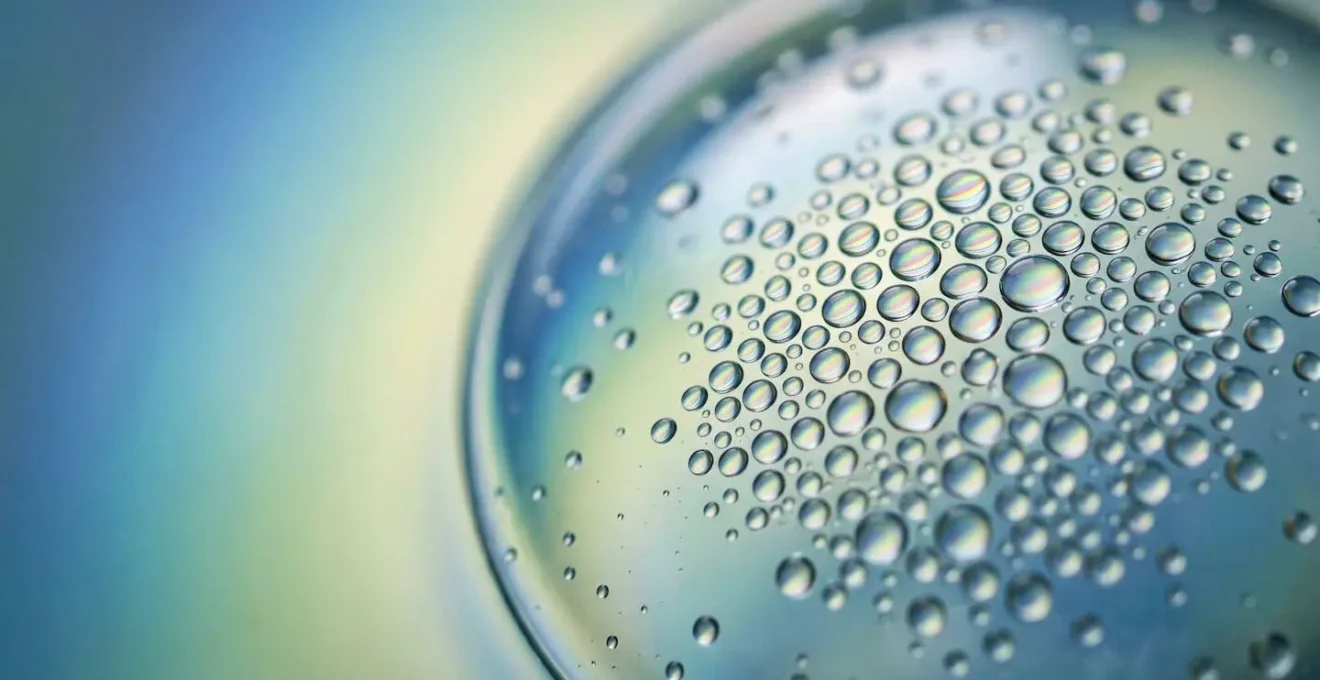
As the illustration vividly shows, the interaction between tear film lipids and the hydrophobic silicone surface is a microscopic battle. Preventing these deposits requires a targeted strategy that goes beyond a simple rinse. It involves managing the source of the lipids and using cleaning systems specifically designed to break down these stubborn, oily films. For many, addressing deposit-related issues is the key to unlocking the full potential of SiHy technology.
Your action plan: Advanced strategies to combat lipid deposits
- Practice eyelid hygiene: Clean eyelid margins regularly to manage Meibomian Gland Dysfunction and reduce lipid secretion into the tear film.
- Use hydrogen peroxide-based cleaning systems: These are more effective at breaking down lipid deposits than most multipurpose solutions.
- Consider tear film chemistry assessment: An eye care professional can help identify if you are a ‘lipid depositor’ versus ‘protein depositor’ to customize your lens care approach.
- Monitor dietary fat intake: In some cases, high-fat diets can alter tear film lipid composition and increase deposits on silicone hydrogel materials.
- Implement daily digital rub cleaning: Even with “no-rub” solutions, gently rubbing the lens with cleaning solution for 10-20 seconds significantly reduces deposit accumulation on silicone materials.
Soft or Stiff Lens: Which Material Is Easier to Insert for Beginners?
Beyond oxygen and deposits, a third critical material property influences the contact lens experience: the modulus of elasticity, or simply, “modulus.” This technical term refers to the material’s stiffness or resistance to deformation. A lens with a high modulus is stiffer and holds its shape well, while a low modulus lens is softer and more flexible. This characteristic has a dual impact: it affects both handling for insertion and removal, and on-eye comfort.
For beginners, a slightly stiffer, higher-modulus lens can be easier to handle. It’s less likely to fold over on the fingertip, making the process of insertion less daunting. However, this same stiffness can be a source of discomfort once the lens is on the eye. The edge of a high-modulus lens can interact more aggressively with the conjunctiva (the clear membrane covering the white of the eye) and the inner eyelid, leading to a sensation of “lens awareness” or even mechanical irritation. Recognizing this trade-off, manufacturers have worked tirelessly to engineer new materials. In fact, technological advances have shown that the silicone hydrogel lens modulus decreased from 1.400 MPa to 0.025 MPa over a ten-year period, a testament to the industry’s pursuit of softer, more comfortable high-Dk materials.
The quest for the “perfect” modulus is ongoing. The ideal lens is stiff enough to handle easily but soft enough to be unnoticeable on the eye. This balance is highly individual. Some wearers prefer the crisp vision and easy handling of a stiffer lens, while others, particularly those with sensitive eyelids, require the softest materials available to achieve comfort. As leading researchers Jerome Ozkan and Mark D. Willcox stated in their work on the topic:
A high lens modulus may adversely impact ocular comfort and sensations of edge or lens awareness.
– Jerome Ozkan and Mark D. Willcox, The Effect of Lens Modulus on Insertion Comfort with Silicone Hydrogel Lenses, Investigative Ophthalmology & Visual Science
This expert opinion underscores that for long-term comfort, a lower modulus is often preferable, even if it presents a slightly steeper learning curve for handling by beginners.
The Itchy Eye Symptom That Means You Are Allergic to Silicone
When a silicone hydrogel (SiHy) lens wearer develops persistent itching, redness, and a bumpy appearance on their inner eyelid, the immediate suspect is often a silicone “allergy.” However, a true allergic reaction to the silicone polymer itself is exceedingly rare. More often, these symptoms point to a mechanical complication, not a chemical one, most notably a condition called Giant Papillary Conjunctivitis (GPC). GPC is an inflammatory response of the tarsal conjunctiva (the surface under the upper eyelid) caused by chronic mechanical rubbing from the surface or edge of the contact lens.
This condition is intimately linked to the lens properties we’ve discussed: deposits and modulus. A lens coated in denatured protein or lipid deposits presents a rough, abrasive surface to the eyelid with every blink. Similarly, a lens with a high modulus (stiffness) or a poorly designed edge profile can create excessive friction, triggering the inflammatory cascade that leads to the hallmark “giant papillae” or bumps. The itchy sensation is the body’s reaction to this constant irritation.
Case Study: The Link Between High Modulus and Mechanical Complications
A clear example of this principle was observed with early SiHy lenses. According to clinical reports, the original lotrafilcon A (first-generation Night & Day) lens, which had a very high modulus, was associated with a higher incidence of GPC and another mechanical issue called Superior Epithelial Arcuate Lesions (SEALs). Recognizing this, the manufacturer developed a second-generation version with a modified, aspheric design. This design change, even with the same base material, significantly reduced the occurrence of these mechanical complications. This demonstrates that biocompatibility is not just about the material’s chemistry but is a complex interplay between modulus, surface, and lens design.
Therefore, if you experience persistent itchy eyes with SiHy lenses, it’s not a sign to give up on the material entirely. Instead, it’s a critical signal to consult your optometrist. The solution may lie in switching to a lower-modulus lens, a lens with a more advanced surface treatment to reduce deposits, or improving your cleaning regimen to ensure a pristine lens surface every single day.
When to Switch Back to Glasses Even With Breathable Lenses?
Even the most advanced, perfectly fitted, and meticulously cleaned silicone hydrogel lens has its limits. The concept of the “ocular surface system” dictates that the lens is only one part of an environment that includes your tear film, eyelids, and the external world. There are specific situations where the balance of this system is so disrupted that continuing to wear contact lenses, regardless of their Dk/t value, can compromise comfort and health. In these moments, proactively switching to glasses isn’t a sign of failure, but a smart strategy for long-term corneal health.
These triggers can be environmental or systemic. Environments with extremely low humidity, such as an aircraft cabin or a heavily air-conditioned office, can accelerate tear evaporation from the lens surface, leading to dehydration and discomfort. Similarly, days with a high pollen count can overwhelm the eye’s defenses, with allergens binding to the lens surface and causing a significant inflammatory response. From a systemic perspective, certain medications, particularly antihistamines and some acne treatments, are known to reduce tear production, drastically shortening comfortable wearing time. Furthermore, being sick with a cold or flu compromises your immune system and hydration levels, making your eyes more vulnerable to infection and irritation.
Adopting a proactive approach to corneal health is paramount. Many contactologists recommend a “corneal vacation” by implementing at least one lens-free day per week. This 24-hour break allows the tear film’s natural lipid layer to fully restore itself and gives the epithelial cells of the cornea a chance to recover from any low-grade, sub-clinical stress. Recognizing the signs and giving your eyes a scheduled rest is the hallmark of a sophisticated and successful long-term lens wearer.
- Invisible Environmental Triggers: Long flights, high pollen count days, and environments with heavy air conditioning or heating can severely stress the ocular surface, warranting a temporary switch to glasses.
- Systemic Red Flags: The use of systemic medications like antihistamines or isotretinoin for acne can reduce tear production by up to 40%, making lens wear intolerable. An active illness like a cold or flu also makes the eye more susceptible to infection.
- The Proactive Strategy: Implementing a “corneal vacation” one day per week allows the ocular surface to fully recover, ensuring healthier and more comfortable lens wear on other days.
Why Do Preservatives in Multipurpose Solutions Irritate Some Eyes?
For many contact lens wearers, the source of irritation is not the lens material itself, but the very solution used to clean and store it. Multipuripurpose solutions (MPS) are incredibly convenient, offering a one-bottle system for rinsing, cleaning, disinfecting, and storing. However, to achieve this, they must contain preservatives, such as PHMB or Polyquad, to kill microorganisms and keep the solution sterile. While these preservatives are generally safe, they can become a significant problem for some individuals, especially those wearing silicone hydrogel (SiHy) lenses.
The issue stems from a phenomenon often described as the “sponge effect.” The material structure of SiHy lenses can absorb these preservative molecules from the solution during the overnight storage period. The lens then acts like a slow-release device throughout the day, delivering a concentrated dose of these chemicals directly onto the corneal surface. For most people, this low-level exposure is unnoticeable. However, for those with sensitive eyes or a developing sensitivity, this constant chemical exposure can lead to toxicity, inflammation, redness, and a burning sensation that is often mistaken for “dry eye.”
This interaction is a classic example of a biocompatibility mismatch between a lens and a care system. As noted in biomaterial research, this effect is a key consideration for lens-solution compatibility.
Silicone hydrogel lenses absorb preservatives from the solution overnight and then slowly release this concentrated chemical dose onto the cornea during the day.
– Contact Lens Materials Research, Biomimetic-Engineered Silicone Hydrogel Contact Lens Materials, PMC
If you experience unexplained irritation that worsens as the day goes on, and you use a multipurpose solution, it is crucial to consider the possibility of preservative sensitivity. The lens might be fine, but the care system could be the true culprit behind your discomfort.
Why Is Corneal Pain So Much More Intense Than Normal Irritation?
A tiny speck of dust in your eye can feel like a jagged rock. A microscopic defect on a contact lens can cause debilitating pain. This seemingly disproportionate response is not an exaggeration; it’s a direct result of the cornea’s unique and extraordinary neuroanatomy. The cornea, the transparent front part of the eye, is one of the most densely innervated tissues in the entire human body. This extreme sensitivity is a crucial protective mechanism, designed to alert us instantly to any potential threat to our vision.
To put this in perspective, neurological studies have demonstrated that the cornea has 300-600 times the density of sensory nerve endings compared to skin. This incredible concentration of nociceptors (pain receptors) means that even a stimulus that would be completely unnoticed on your fingertip can trigger a significant pain signal in the eye. This is why conditions that might seem minor, like dry spots on the cornea or the slight friction from a contact lens edge, can produce such intense feelings of irritation, grittiness, and pain.
Quantifying Corneal Sensitivity: A Look at Nerve Density
A study published in the journal Cornea sought to precisely measure this phenomenon in healthy subjects. Researchers found that the mean central corneal nerve density was a staggering 14,731 μm/mm². This is why the central cornea, which the contact lens directly covers, is exquisitely sensitive. This exceptionally high nerve concentration explains why even microscopic foreign bodies, subtle lens deposits, or minor lens defects trigger intense pain responses that can feel disproportionate to the actual physical stimulus. It’s not “in your head”—your eye is simply hardwired to scream for attention at the slightest provocation.
When you experience contact lens-related pain, your body is sending a valid and important signal. It’s an alert that the delicate balance of the ocular surface system has been disrupted. Ignoring this signal or attempting to “power through” the pain can lead to more significant complications. Understanding the neurological basis for this intense sensation helps validate the experience and underscores the importance of addressing the root cause, no matter how small it may seem.
Key takeaways
- Silicone hydrogel prioritizes oxygen but its hydrophobic nature makes it prone to lipid deposits, a key source of late-day discomfort.
- Lens comfort is not just material; it’s a function of stiffness (modulus), which can cause mechanical irritation even with high breathability.
- For many sensitive wearers, switching to a preservative-free hydrogen peroxide cleaning system is more effective than changing lens materials, as it eliminates chemical irritation and better removes deposits.
Multipurpose vs Hydrogen Peroxide: Which Contact Solution Is Safer for Sensitive Eyes?
After exploring the complex interactions between lens materials, deposits, and preservatives, the choice of cleaning solution emerges as a co-equal partner in achieving comfortable wear. The two primary types of soft contact lens care systems are Multipurpose Solutions (MPS) and Hydrogen Peroxide (H2O2) Systems. While both are effective at disinfecting lenses, they operate on fundamentally different principles, making one a clear winner for wearers with sensitive eyes or deposit-related issues.
As we’ve discussed, MPS contains preservatives that can bind to silicone hydrogel lenses and cause chemical irritation. Hydrogen peroxide systems, on the other hand, use a 3% solution of H2O2 to disinfect. The key is the neutralization step: a special case containing a platinum catalyst disk converts the hydrogen peroxide into gentle, preservative-free saline over a period of about six hours. When the process is complete, the lens is sitting in a solution that is virtually identical to natural tears, with zero preservatives to cause irritation.
Furthermore, the oxidative action of hydrogen peroxide is exceptionally effective at breaking down and removing stubborn deposits, particularly the lipids that plague SiHy wearers. For those who struggle with smudgy lenses or preservative sensitivity, switching to an H2O2 system can be transformative, often solving comfort issues that were wrongly blamed on the lens material itself. The only trade-off is convenience; the mandatory 6-hour neutralization time means you cannot immediately re-insert a lens after cleaning. The following table breaks down the key differences to help guide your decision.
This comparative analysis from biomaterial research highlights the distinct advantages of each system based on user needs.
| Characteristic | Multipurpose Solution | Hydrogen Peroxide System |
|---|---|---|
| Preservative presence | Contains PHMB or Polyquad | Neutralizes to preservative-free saline |
| Interaction with silicone hydrogel | Preservatives bind to lens material (sponge effect) | No binding – complete oxidative breakdown |
| Lipid deposit removal | Moderate efficacy | Superior efficacy on hydrophobic lipids |
| Risk of preservative toxicity | Cumulative exposure throughout wear period | Zero exposure after neutralization |
| Convenience | Immediate insertion possible | Requires 6-hour neutralization period |
| Ideal for | Non-sensitive eyes, travel | Sensitive eyes, preservative reactors, heavy depositors |
Now that you are armed with a deeper understanding of the science behind contact lens comfort, the next logical step is to schedule a consultation with your eye care professional. Discuss these points—your deposit tendencies, solution compatibility, and comfort at the end of the day—to collaboratively find the optimal lens system for your unique eyes.