Eye Health
Your eyes are highly complex organs, acting as the primary sensors that interpret the world around you. Maintaining optimal eye health goes far beyond simply updating your prescription glasses; it requires a proactive approach to protecting delicate ocular structures from daily environmental stressors, systemic diseases, and age-related deterioration.
Think of your visual system as a sophisticated camera linked directly to a high-speed processor. When the lens gets scratched or the internal pressure damages the wiring, the final image is compromised. From managing the silent threat of elevated intraocular pressure to navigating the complexities of corneal inflammation and diabetic complications, this comprehensive resource outlines the crucial steps needed to preserve your vision for the long term.
Understanding Glaucoma and Protecting Your Optic Nerve
Often referred to as the silent thief of sight, glaucoma progressively damages the optic nerve, usually without early symptoms. By the time peripheral vision loss becomes noticeable, irreversible damage has already occurred.
Why Routine Screening Is Crucial
Waiting for symptoms before seeking medical advice is a significant risk. During a routine exam, an NHS glaucoma test involves measuring your eye pressure, assessing the drainage angle, and examining the optic nerve. Modern diagnostics allow optometrists to identify microscopic structural changes long before they affect your daily life. If a genetic risk factor is present in your family history, your likelihood of developing the condition increases significantly, making frequent follow-up scans non-negotiable.
Lifestyle Factors Impacting Eye Pressure
While medication and laser treatments remain the gold standard, daily habits heavily influence your intraocular pressure. Simple adjustments can prevent dangerous morning spikes and support ongoing medical therapies. Consider these daily modifications:
- Elevating your head with an extra pillow to alter your sleeping position and avoid nighttime pressure accumulation.
- Modifying your yoga routine by avoiding extreme inversions that temporarily rush blood and fluid to the head.
- Regulating caffeine intake, as large, sudden doses can cause short-term pressure elevations.
- Managing chronic stress, which contributes to elevated cortisol levels and systemic vascular tension.
Managing Eye Infections and Contagion Rates
Eye infections disrupt household routines and require strict hygiene protocols to prevent rapid spreading. Knowing the difference between viral, bacterial, and fungal pathogens dictates how you should respond and when it is safe to resume normal activities.
Bacterial vs. Viral Conjunctivitis
Determining the origin of conjunctivitis is the first step toward effective management. If your child wakes up with eyes that are glued shut with thick, sticky discharge, bacteria are likely the culprit. Conversely, a viral infection typically presents with a watery, highly contagious discharge. In either scenario, cleaning a crusted eye requires a gentle touch using sterile saline wipes to avoid causing a secondary corneal abrasion.
Stopping the Spread at Home
Viral eye infections can spread through a family within hours if strict hygiene is not maintained. To protect your household, follow this sequential containment process:
- Assign separate, clearly marked face towels and flannels to every family member.
- Wash all bedding and linens at a high temperature daily until the infection clears.
- Disinfect high-touch surfaces like doorknobs, remote controls, and bathroom taps frequently.
Children should be kept off school until the weeping stops or antibiotic drops have been administered for the recommended timeframe, ensuring they no longer pose a risk to classmates.
Contact Lens Hygiene and Corneal Inflammation
Contact lenses offer unparalleled freedom, but they introduce foreign materials directly onto the sensitive surface of the eye. Poor hygiene habits can quickly transform minor irritation into severe, vision-threatening emergencies.
Hidden Dangers of Improper Lens Storage
One of the most painful warning signs you must never ignore is contact lens keratitis. Corneal pain is intensely sharp because the clear front surface of the eye contains one of the highest densities of nerve endings in the human body. Showering or swimming while wearing lenses introduces pathogens like Acanthamoeba, which can cause devastating fungal or bacterial infections. Proper storage in fresh, sterile solution is the only way to prevent microscopic organisms from colonising your lenses.
Beating Dry Air and Office Air Conditioning
Modern office environments are notoriously harsh on your protective tear film. Continuous exposure to dry air conditioning causes rapid tear evaporation, leaving the cornea vulnerable to microscopic scratches caused by the natural rubbing reflex. To combat severe dry eye during an eight-hour shift, consider the following strategies:
- Positioning a desktop humidifier strategically to blow a gentle mist toward your workspace.
- Choosing between liquid drops for quick daytime relief and thicker gels for sustained nighttime hydration.
- Practising conscious blinking exercises while staring at digital screens to actively rehydrate the ocular surface.
Diabetic Retinopathy: Safeguarding Retinal Vessels
For individuals managing diabetes, fluctuating blood sugar levels pose a direct threat to the microvascular system of the eyes. High glucose concentrations weaken the tiny blood vessels in the retina, leading to leaks, swelling, and permanent visual impairment if left unmonitored.
Early Warning Signs and High Blood Sugar
Early stage diabetic retinopathy often presents with subtle visual anomalies. The sudden appearance of new floaters can sometimes indicate microscopic retinal bleeding rather than harmless cellular debris. Interestingly, lowering your A1C too rapidly can temporarily worsen retinopathy, making gradual, medically supervised blood sugar management essential.
The Role of Routine Imaging and Screening
Diagnostic imaging has revolutionised how eye care professionals track the progression of diabetic eye disease. Modern screening technology allows for the detection of leaks much earlier than traditional methods. Currently, patients must actively engage with their local healthcare providers to ensure they do not miss crucial imaging appointments. Whether utilising a standard fundus photo or an advanced OCT scan, capturing cross-sectional images of the macula is vital for timely intervention.
Binocular Disorders and Adult Strabismus Solutions
Binocular vision relies on the perfect alignment of both eyes to create a single, three-dimensional image. When the muscular coordination fails, the resulting double vision (diplopia) can severely impact driving, screen work, and professional confidence.
Diagnosing Sudden Double Vision
Experiencing intermittent or sudden double vision is alarming and often misdiagnosed. Many binocular issues, such as a latent phoria becoming symptomatic after age 40, are incorrectly treated as visual migraines. Assessing your stereopsis level through simple finger tracking tests can highlight alignment discrepancies. Depending on the severity, non-surgical solutions like digital detoxes or the integration of micro-prisms into your glasses can effectively merge the two conflicting images.
Corrective Procedures and Confidence Restoration
For persistent misalignments, adult strabismus surgery is a highly viable option; it is never too late to straighten your eyes. The belief that straightening is purely cosmetic is a functional myth; proper alignment can significantly restore depth perception and relieve chronic eye strain. Advanced techniques now utilise adjustable sutures, allowing surgeons to fine-tune the eye muscles shortly after you wake up from the procedure, ensuring optimal results and a swift return to daily activities.
Maintaining optimal eye health is a lifelong commitment that requires a balance of professional medical oversight and proactive daily habits. Whether you are managing the subtle progression of a silent ocular condition, recovering from an acute infection, or seeking surgical correction for alignment issues, understanding the intricate workings of your visual system empowers you to make informed decisions and protect your sight for the future.

Adult Strabismus Surgery: Is It Too Late to Straighten Your Eyes After 30?
It’s never too late for strabismus surgery, which is less about cosmetics and more about restoring functional vision and self-confidence at any age. Modern surgery…
Lire la suite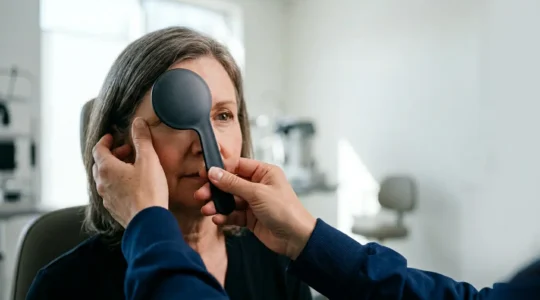
Sudden Double Vision: When Is It a Sign of a Binocular Disorder?
If you’re over 40 and experiencing sudden, fleeting double vision, especially at the end of the day, it’s likely not just screen fatigue or ‘getting…
Lire la suite
Could You Be Missing the Earliest Signs of Diabetic Retinopathy? A UK Guide
The key to protecting your sight from diabetes isn’t just attending screenings; it’s understanding what’s happening inside your eyes and knowing precisely when to act….
Lire la suite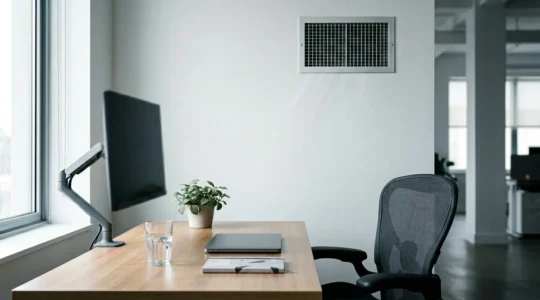
Corneal Inflammation: Why Office Air Conditioning Might Be Damaging Your Eyes?
Office air conditioning isn’t just making your eyes feel dry; it’s actively dismantling their natural protective barrier, leading to chronic inflammation and potential damage. The…
Lire la suite
Contact Lens Keratitis: The Painful Warning Sign You Must Never Ignore?
Contrary to the hope that it’s just « bad irritation, » the severe, sharp pain associated with a contact lens is a biological red alert. This isn’t…
Lire la suite
Bacterial or Viral Conjunctivitis: How to Stop the Spread in Your Household?
When your child has pink eye, stopping it from infecting the entire family isn’t about gentle suggestions; it’s about implementing a strict household containment protocol….
Lire la suite
Is Optic Nerve Damage Reversible or Permanent?
The question of whether optic nerve damage is « reversible » often misses the crucial point: the real power lies not in waiting for a cure, but…
Lire la suite
High Eye Pressure: 5 Lifestyle Changes to Lower Your Readings Naturally
Contrary to common belief, managing high eye pressure isn’t about generic advice but understanding and regulating your body’s specific physiological triggers. Your morning caffeine habit…
Lire la suite
Glaucoma Screening in the UK: Why Waiting for Symptoms Is a Mistake?
Glaucoma damage is irreversible, but sight loss is preventable in most cases if the condition is caught and managed early through routine NHS screening. UK…
Lire la suite