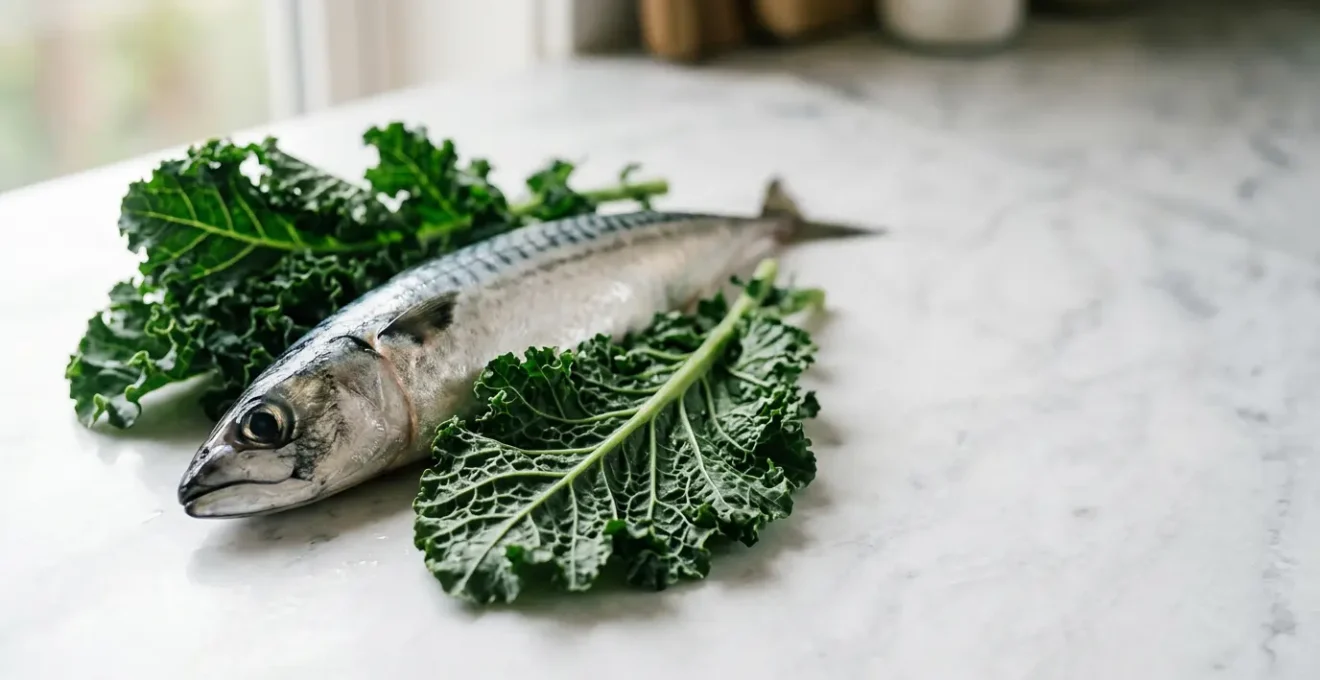
A diagnosis of Age-Related Macular Degeneration (AMD) isn’t the end of the road; it’s the start of taking active control, and your most powerful tool is on your plate.
- Understanding how your body absorbs nutrients (bioavailability) is more important than simply following a generic list of “good” foods.
- The AREDS2 formula is the only supplement clinically proven to slow intermediate AMD, but the specific dosage and timing are critical for it to work effectively.
Recommendation: Focus on nutrient-dense whole foods prepared correctly, and always verify that any supplement you consider is a genuine AREDS2 formula, not a generic “eye health” product.
Receiving a diagnosis of age-related macular degeneration (AMD) can feel overwhelming. It’s natural to feel a sense of uncertainty about the future of your vision and to search for ways to regain a sense of control. You’ve likely heard the common advice: eat more carrots, load up on leafy greens. While well-intentioned, this guidance often stops short of being truly helpful. It treats nutrition as a passive checklist rather than what it truly is: an active, powerful strategy for supporting your retinal health.
The key to making your diet a real ally against AMD isn’t just about what you eat, but how you eat it, and why certain nutrients are more effective than others. It’s about understanding the science of bioavailability—how well your body can actually absorb and use the protective compounds from your food and supplements. It’s about recognizing that not all supplements are created equal, and that lifestyle factors like blood sugar control and avoiding smoke are not just “healthy habits” but direct interventions in the health of your macula.
This guide moves beyond the platitudes. We will explore the specific, evidence-based dietary strategies that can help you protect your vision. We will delve into the science of nutrient absorption, the critical role of the AREDS2 formula, and the practical steps you can take in your own kitchen to give your eyes the best possible defence, empowering you to become an active partner in managing your condition.
To help you navigate this essential information, this article is structured to answer your most pressing questions. Below is a summary of the key topics we will cover, from the best food sources of crucial nutrients to the science behind the only proven supplements for AMD.
Summary: A Science-Backed Dietary Approach to AMD
- Why Is Kale Considered a Superfood for the Macula?
- How to Prepare Spinach to Maximize Nutrient Absorption for Your Eyes?
- Oily Fish or Omega-3 Pills: Which Source Is More Bioavailable for Seniors?
- The Second-Hand Smoke Risk That Accelerates Macular Decay
- When to Take Your Vision Vitamins for Best Absorption?
- Why Is the AREDS2 Formula the Only One Proven to Help DMLA?
- Why Does High Blood Sugar Weaken the Tiny Vessels in Your Retina?
- Vision Supplements in the UK: Are You Wasting Money on High Street Brands?
Why Is Kale Considered a Superfood for the Macula?
The macula, the small central part of your retina responsible for sharp, detailed vision, is naturally yellow. This colour comes from a protective layer of pigment composed almost entirely of two nutrients: lutein and zeaxanthin. These compounds act like internal sunglasses, filtering out harmful high-energy blue light and neutralizing unstable molecules (free radicals) that cause oxidative stress. A dense macular pigment is directly linked to a lower risk of AMD progression.
While many leafy greens contain these vital nutrients, kale stands in a class of its own. It is one of the most concentrated natural sources of lutein available. According to nutritional data from the Macular Society, kale contains 11.4 mg of lutein per 100g, significantly more than other healthy greens like spinach. This high concentration means even a modest serving can deliver a powerful dose of this protective pigment directly to your eyes.
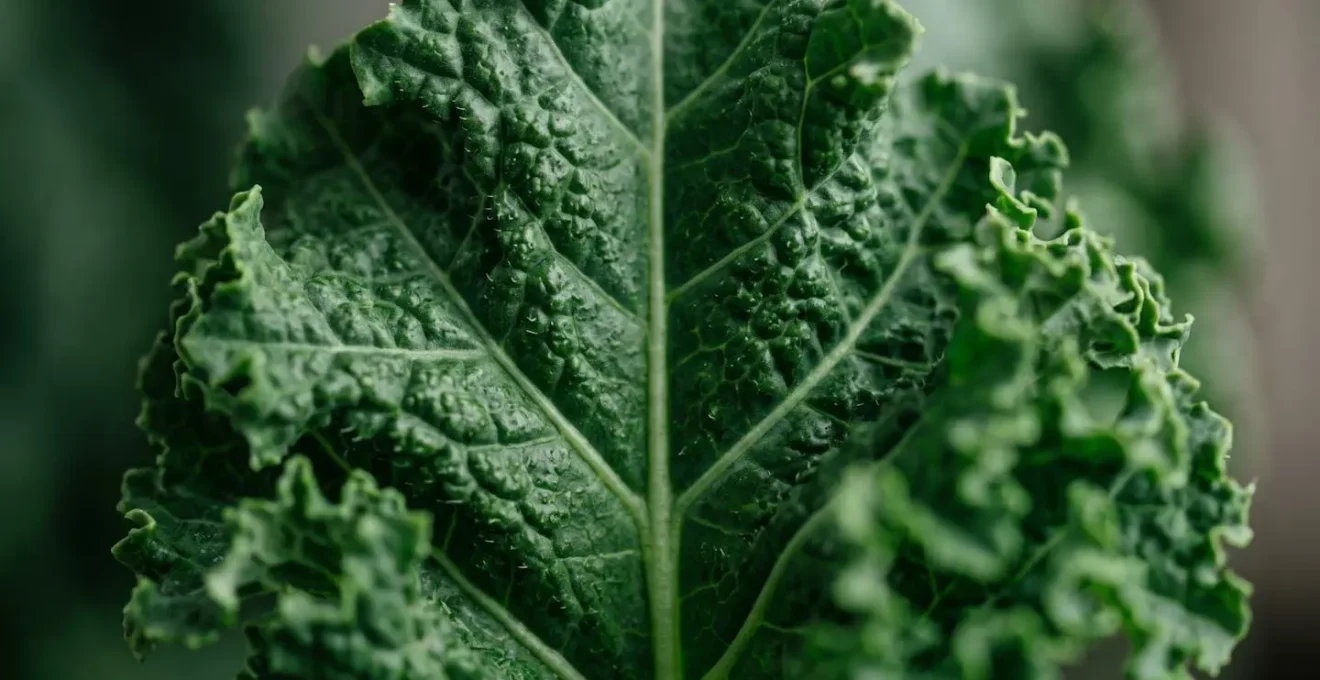
Furthermore, the bioavailability of lutein from kale is excellent. Bioavailability refers to how much of a nutrient is actually absorbed and used by the body. Some plant-based nutrients are “locked” within fibrous cell walls, but the structure of kale makes its lutein readily accessible. As the Macular Society notes, this high bioavailability holds true even when it’s consumed raw, making it an easy and versatile addition to salads and smoothies.
Kale is the best source of lutein and has good bioavailability, even when raw.
– Macular Society (UK), Nutrition for eye health and macular disease guidance
How to Prepare Spinach to Maximize Nutrient Absorption for Your Eyes?
Spinach is another fantastic source of the eye-protective carotenoids lutein and zeaxanthin. However, simply eating it isn’t enough; how you prepare it can dramatically impact how much of these vital nutrients your body can actually absorb. The goal is twofold: break down the plant’s cell walls to release the nutrients, and consume them with a healthy fat to aid their transport into your system.
Raw spinach contains compounds called oxalates, which can slightly bind to minerals and hinder their absorption. Gentle cooking helps to reduce these oxalates while making the lutein and zeaxanthin more bioavailable. However, harsh cooking methods can destroy these same delicate nutrients. Boiling, for example, is the worst offender, as it leaches a significant portion of the water-soluble vitamins into the cooking water, which is then typically discarded.
The key is to use minimal heat and water, and to always pair spinach with a source of healthy fat like olive oil or avocado. The carotenoids are fat-soluble, meaning your body needs fat to effectively absorb them. A simple sauté or light steaming is far superior to boiling or overcooking.
To make it practical, here are the best preparation methods ranked by their ability to preserve and enhance nutrient absorption for eye health:
- Best: Light steaming for 1-2 minutes. This method preserves lutein while reducing oxalates and improving bioavailability without significant nutrient loss.
- Good: Quick sauté in olive oil. The healthy fat enhances the absorption of fat-soluble lutein and zeaxanthin, while the heat helps break down cell walls.
- Moderate: Microwaving with minimal water. It’s faster than steaming but can create hot spots that degrade some of the delicate nutrients.
- Avoid: Boiling in water. This leaches water-soluble vitamins and minerals into the cooking water, which you then pour down the drain.
Oily Fish or Omega-3 Pills: Which Source Is More Bioavailable for Seniors?
Omega-3 fatty acids, particularly DHA, are a major structural component of the retina and play a crucial role in reducing inflammation, a key driver of AMD. While many people turn to supplements, the source and form of omega-3s matter immensely, especially for seniors whose digestive efficiency may be reduced. When it comes to bioavailability, not all omega-3s are created equal.
Omega-3s in whole oily fish (like salmon, mackerel, and sardines) exist in a natural triglyceride (TG) form. This is the form your body is designed to recognize and absorb easily. In contrast, many cheaper, highly processed fish oil supplements come in an ethyl ester (EE) form. To create this form, the natural oil is broken down and chemically altered. Your body must then work to convert this artificial form back into triglycerides before it can be used—a metabolic process that is less efficient.
Case Study: Triglyceride vs. Ethyl Ester Forms in Seniors
Research on omega-3 formulations in elderly populations highlights this difference starkly. Studies found that the natural triglyceride (TG) forms of fish oil result in approximately 50% more EPA and DHA being absorbed compared to the ethyl ester (EE) forms. This is particularly important for seniors, as the body’s ability to rebuild ethyl esters back into usable triglycerides may be less efficient, making direct intake of the natural TG form found in whole fish a more reliable strategy.
The scientific evidence is clear. For seniors, choosing whole oily fish two to three times a week is the superior strategy. If supplements are necessary, it is vital to choose one that explicitly states it is in the natural triglyceride form. A comparative bioavailability study demonstrated that natural TG fish oil is far more effective, showing 124% bioavailability compared to the mere 73% bioavailability of ethyl ester supplements. This means you absorb significantly more of the beneficial fatty acids from natural sources or high-quality TG supplements.
The Second-Hand Smoke Risk That Accelerates Macular Decay
While diet is a powerful tool, it’s equally important to eliminate factors that actively harm the macula. The single most damaging environmental factor for AMD is tobacco smoke—and this danger extends beyond the smoker. Exposure to secondhand smoke creates the same cascade of damage in the eyes as direct smoking.
Smoke is a potent source of oxidants—unstable molecules that attack and damage cells throughout the body. The retina is particularly vulnerable due to its high metabolic rate and exposure to light. These oxidants trigger chronic inflammation and deplete the body’s natural supply of protective antioxidants, including the crucial lutein and zeaxanthin that form the macular pigment. As the Macular Society explains, this dual attack directly undermines the macula’s defences.
Smoking is known to impede the effects of antioxidants and to reduce macular pigment density. Oxidants can damage the retina.
– Macular Society (UK), Smoking and sight loss guidance
The risk is not theoretical; it is significant and well-documented. Research from the World Health Organization is alarmingly clear: people who live with tobacco users are twice as likely to develop age-related macular degeneration from secondhand smoke. This means that even if you have never smoked, living in a household with a smoker dramatically increases your risk profile.
Case Study: How Smoke Directly Causes AMD-like Changes
A landmark study by Duke University researchers provided direct evidence of this mechanism. In the study, mice exposed to cigarette smoke—even without any other genetic risk factors—developed deposits under the retina and retinal thickening, which are hallmark signs of early dry AMD. Crucially, the researchers found that heavy exposure to secondhand smoke produced the same damaging retinal changes, confirming that passive exposure initiates the same destructive oxidative stress that dietary antioxidants are trying to fight.
When to Take Your Vision Vitamins for Best Absorption?
For those with intermediate AMD, taking a supplement with the specific AREDS2 formula is a clinically proven way to slow disease progression. However, just as with food, the timing and context of how you take these supplements are crucial for maximizing their benefit. Simply swallowing a pill each day is not enough; you must ensure your body is primed to absorb its key components.
The AREDS2 formula contains a mix of water-soluble and fat-soluble vitamins and minerals. The fat-soluble components—lutein, zeaxanthin, and Vitamin E—absolutely require the presence of dietary fat for proper absorption. Taking them on an empty stomach or with a fat-free meal like toast and jam means these vital nutrients may pass through your system largely unused. Furthermore, the high dose of zinc can cause nausea, which is greatly minimized by taking it with food.
An optimal strategy involves splitting the dose and pairing it with meals containing healthy fats. This not only aids absorption but also helps maintain more stable levels of these protective nutrients in your bloodstream throughout the day. It’s also important to be mindful of competition between nutrients. High doses of zinc can interfere with the absorption of other minerals, so it’s wise to separate your AREDS2 supplement from other mineral supplements like calcium or iron by several hours.
To help you establish an effective routine, here is a practical checklist for taking your AREDS2 supplements.
Your Action Plan: Optimal Timing for AREDS2 Supplements
- Split the Dose: Take one pill with a breakfast containing healthy fats (like avocado, eggs, or olive oil) and the second pill with your evening meal. This maintains stable nutrient levels.
- Pair with Fat: Ensure the meal you take your supplement with contains at least 5-10 grams of fat to properly absorb the fat-soluble nutrients (lutein, zeaxanthin, vitamin E).
- Take with Food for Comfort: Always take your supplement with a meal to minimize the risk of nausea or stomach upset, a common side effect of high-dose zinc.
- Separate from Other Minerals: If you take other mineral supplements (e.g., calcium, iron, magnesium), take them at least 2-4 hours apart from your AREDS2 supplement to avoid absorption interference.
- Be Consistent: Take your supplements at the same times every day to build a routine and ensure your eyes receive a consistent, cumulative protective effect.
Why Is the AREDS2 Formula the Only One Proven to Help DMLA?
In the world of dietary supplements, claims are plentiful but rigorous proof is rare. The AREDS2 formula is the notable exception for age-related macular degeneration. It is the only specific combination of vitamins and minerals that has been clinically proven in large-scale, government-funded studies to slow the progression of AMD in people who have reached the intermediate stage of the disease.
The original Age-Related Eye Disease Study (AREDS) and its successor, AREDS2, were major clinical trials sponsored by the National Eye Institute. These studies weren’t based on theory; they were rigorous, placebo-controlled trials involving thousands of participants over many years. The results were definitive: taking AREDS or AREDS2 supplements reduces the risk of progression from intermediate to advanced AMD by about 25 percent. No other “eye health” supplement on the market has this level of scientific validation.
The key to the formula’s success lies in its specific, high-dose composition, designed to combat the oxidative stress and inflammation that drive AMD. It is not a standard multivitamin. The therapeutic doses of antioxidants (Vitamin C and E), lutein, zeaxanthin, and zinc are far higher than what is found in typical over-the-counter products. This distinction is critical, as sub-therapeutic doses have not been shown to provide the same protective effect. The table below, with data sourced from the Macular Society, illustrates the stark difference between the proven formula and what you might find in a generic brand.
This comparative analysis of dosages highlights why specificity is so important.
| Nutrient Component | AREDS2 Therapeutic Dose | Typical High-Street Brand Dose | Clinically Meaningful? |
|---|---|---|---|
| Vitamin C | 500 mg | 50-100 mg | Only at full dose |
| Vitamin E | 400 IU | 30-100 IU | Only at full dose |
| Lutein | 10 mg | 2-6 mg | Sub-therapeutic |
| Zeaxanthin | 2 mg | 0.5-1 mg | Sub-therapeutic |
| Zinc | 25 mg (or 80 mg) | 5-15 mg | Sub-therapeutic |
| Copper | 2 mg | Often absent | Essential with zinc |
Why Does High Blood Sugar Weaken the Tiny Vessels in Your Retina?
The health of your macula is inextricably linked to the health of your circulatory system. The retina has one of the highest metabolic demands in the body and relies on a dense network of tiny, delicate blood vessels to supply it with oxygen and nutrients. When these vessels are compromised, the stage is set for damage. One of the most significant threats to these vessels is chronically high blood sugar.
High blood sugar, often associated with a diet rich in refined carbohydrates and sugary foods (a high-glycemic diet), attacks retinal vessels in multiple ways. First, it makes the vessel walls stiff and weak, impairing their ability to transport blood efficiently. Second, and more importantly for AMD, it fuels the two core processes that drive the disease forward. As the Conlon Eye Institute aptly summarizes:
High blood sugar doesn’t just damage vessels structurally; it also fuels the two core drivers of AMD progression—chronic inflammation and oxidative stress.
– Conlon Eye Institute, Diet for Macular Degeneration guidance
This means a high-sugar diet acts as an accelerant. The excess sugar in the bloodstream generates a flood of free radicals, contributing to the oxidative stress that antioxidants from your diet are trying to fight. It also promotes a state of low-grade, chronic inflammation throughout the body, including within the delicate tissues of the retina. This damaging environment can accelerate the formation of drusen (the yellow deposits characteristic of dry AMD) and weaken the retinal structure.
The link is so strong that evidence now clearly indicates a high-glycemic diet can be a significant risk factor. Managing blood sugar through a diet focused on whole grains, lean proteins, and non-starchy vegetables is not just good for general health; it is a direct, protective strategy for your vision.
Key Takeaways
- Focus on Bioavailability: How you prepare food (e.g., cooking spinach with oil) and the form of your nutrients (e.g., natural triglyceride omega-3s) are more important than just the food itself.
- AREDS2 Is the Only Standard: Only the specific, high-dose AREDS2 formula is clinically proven to slow intermediate AMD. Generic “eye vitamins” lack the therapeutic dosage needed.
- Lifestyle Is a Direct Factor: Damaging factors like smoking (including secondhand) and high blood sugar directly accelerate macular decay by increasing oxidative stress, undermining any dietary efforts.
Vision Supplements in the UK: Are You Wasting Money on High Street Brands?
Navigating the supplement aisle can be confusing. Many products on high street shelves are marketed for “eye health,” “vision support,” or “tired eyes,” but it is absolutely critical to understand that these are not the same as the AREDS2 formula. For someone with an intermediate AMD diagnosis, choosing the wrong supplement is not just a waste of money; it’s a missed opportunity to use a clinically proven therapy.
Many general eye health products contain ingredients like bilberry or astaxanthin, or they may contain some of the AREDS2 nutrients but at much lower, sub-therapeutic doses. As Wikipedia contributors note in their summary of the clinical trials, “Some preparations not explicitly labelled as AREDS2 may not contain the correct ingredients in the correct quantities, and may contain additional, non-AREDS2 ingredients, which have no proven benefit.” The protection demonstrated in the AREDS2 trials is tied directly to the specific list of ingredients at their specific high dosages.
To ensure you are getting the genuine, evidence-based formula, you must become a careful label-reader. Do not be swayed by marketing claims on the front of the box. Turn it over and scrutinize the ingredient list and dosages.
Here is what to look for to identify a genuine AREDS2 supplement:
- Check for Exact Dosages: The label must list: 500mg Vitamin C, 400 IU Vitamin E, 10mg Lutein, 2mg Zeaxanthin, Zinc (either 25mg or 80mg), and 2mg Copper. If the numbers don’t match, it’s not the correct formula.
- Beware of ‘Proprietary Blends’: This is a red flag. This term is often used to hide the fact that the individual ingredient amounts are far below therapeutic levels.
- Confirm It Contains NO Beta-Carotene: The AREDS2 study updated the original formula to replace beta-carotene with lutein and zeaxanthin due to an increased risk of lung cancer in smokers. A modern formula should not contain it.
- Look for Third-Party Testing: Seals from organizations like USP or NSF provide independent verification that the product actually contains the ingredients listed on the label in the correct amounts.
Take this knowledge with you. Use it to read labels, to plan your meals, and to have informed conversations with your ophthalmologist and a registered dietitian. By focusing on a diet rich in bioavailable nutrients and choosing the correct, proven supplements, you are taking the most powerful and proactive steps available to protect your precious sight.