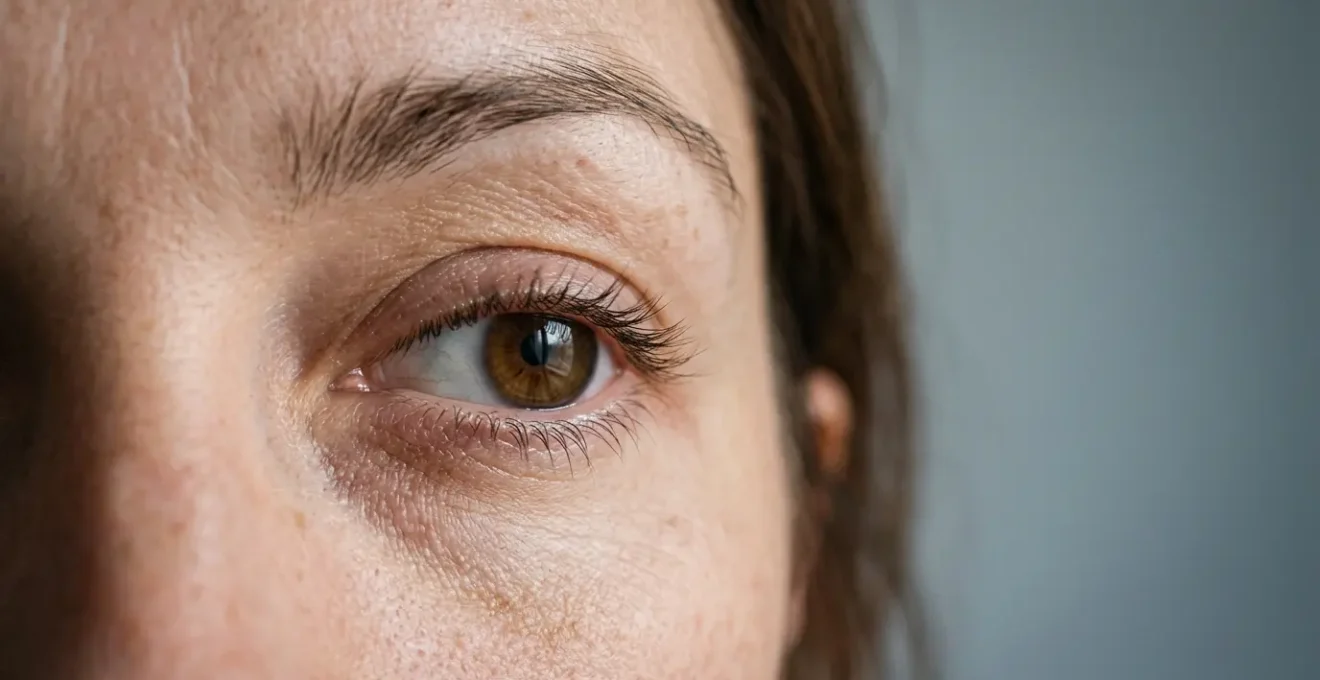
The persistent eye irritation you’re experiencing is likely less about the makeup you use and more about an invisible microbial ecosystem thriving in your products and on your tools.
- Your mascara isn’t just “old” after three months; it has become a scientifically proven breeding ground for harmful bacteria like Staphylococcus aureus.
- Application techniques like “tightlining” do more than just define your eyes; they can physically block essential oil glands, leading to chronic dry eye and inflammation.
- Even clean-looking brushes can harbour bacterial biofilms, requiring a specific sterilisation protocol beyond simple washing to prevent infections.
Recommendation: Adopt a clinical approach to your makeup hygiene by focusing on sterilisation, respecting anatomical boundaries during application, and understanding the lifecycle of your products.
As a dermatologist specialising in cosmetic science, I frequently see patients who are frustrated. They follow the common advice—they don’t share their mascara, they wash their brushes ‘now and then’—yet they’re still plagued by recurring styes, red rims, and that gritty, uncomfortable feeling of conjunctivitis. They believe they are doing everything right, but the irritation persists. This is because the conventional wisdom about makeup hygiene only scratches the surface of a much deeper, microscopic issue.
The advice to simply “keep it clean” fails to address the complex microbial battlefield that your makeup bag becomes over time. It overlooks the specific ways that bacteria colonise different product formulas, how application methods can cause direct mechanical damage to the delicate structures of your eyelid, and how environmental factors like a holiday to a warm climate can render a product’s preservative system useless. Many people know the rules, but they don’t understand the science behind them, leaving them vulnerable.
But what if the key wasn’t just following rules, but understanding the ‘why’ behind them? What if you could think like a microbiologist about your makeup routine? This guide moves beyond the platitudes. We will explore the lifecycle of bacteria in your mascara, the proper way to sterilise—not just clean—your tools, the anatomical risks of certain popular techniques, and the hidden dangers lurking in your travel bag. By understanding these mechanisms, you can finally move from reactive treatment of symptoms to a proactive strategy for true ocular health.
This article provides a structured, evidence-based approach to your makeup routine. Below is a summary of the key areas we will explore to help you protect your eyes effectively.
Summary: A Dermatologist’s Guide to Makeup and Eye Health
- Why Does Mascara Become a Bacterial Breeding Ground After 3 Months?
- How to Sterilise Your Brushes to Prevent Staph Infections?
- Tightlining or Waterline: Which Application Technique Risks Blocking Your Oil Glands?
- The Sleeping-in-Mascara Habit That Causes Chronic Inflammation
- When to Throw Away Travel Cosmetics to Avoid Holiday Eye Infections?
- Why Do Demodex Mites Thrive on Unwashed Eyelids?
- Why Are Your Child’s Eyes Sticky in the Morning but Clear During the Day?
- Eyelid Hygiene: How to Manage Blepharitis Symptoms Without Expensive Scrubs?
Why Does Mascara Become a Bacterial Breeding Ground After 3 Months?
The three-month rule for discarding mascara isn’t arbitrary; it’s a critical guideline based on the science of microbial contamination. Every time you use your mascara, the wand picks up natural bacteria and skin flora from your eyelashes and introduces them into the dark, moist, and nutrient-rich environment of the tube. This creates a perfect incubator for bacterial growth. While preservatives in a new tube are effective, their power diminishes significantly with repeated exposure to air and bacteria.
The primary culprits are bacteria you’d rather not have near your eyes. A clinical study published in Optometry and Vision Science found that 36.4% of mascara tubes showed microbial growth after just three months of regular use. These aren’t harmless microbes; they are often pathogenic species capable of causing serious infections. The risk is not hypothetical; it is a documented and measurable reality inside that seemingly innocent tube.
Further investigation into used makeup products reveals an even more alarming picture of this microbial battlefield. As dermatologists, we are particularly concerned with specific, aggressive strains of bacteria that flourish in these conditions.
Staphylococcus aureus growth was found in 79% of samples and Pseudomonas aeruginosa in 13%.
– Investigators analyzing used mascara contamination, Investigation on the use of expired make-up
Staphylococcus aureus is a leading cause of styes and conjunctivitis, while Pseudomonas aeruginosa can lead to severe corneal ulcers and even vision loss. The three-month mark is the point at which the preservative system’s efficacy wanes, and the bacterial load can reach a critical, infectious threshold. Adhering to this rule is one of the most effective, non-negotiable steps in preventing makeup-related eye infections.
How to Sterilise Your Brushes to Prevent Staph Infections?
While mascara is a self-contained risk, makeup brushes are the delivery vehicles, transferring microbes from your skin, to your makeup, and back to your delicate eye area. Simple washing removes visible pigment, but it often isn’t enough to eliminate resilient bacteria like Staphylococcus aureus (“Staph”), which can form invisible biofilms on the bristles. Effective hygiene requires a two-step process: deep cleaning to remove oils and debris, followed by true sterilisation to kill the remaining pathogens.
The texture of brush bristles, especially dense foundation or concealer brushes, creates an ideal topography for bacteria to hide and multiply. Without proper sterilisation, you may be pressing a culture of Staph bacteria against your skin with every application, significantly increasing the risk of styes, blepharitis, and skin infections. The key is incorporating a disinfecting agent like isopropyl alcohol into your routine.
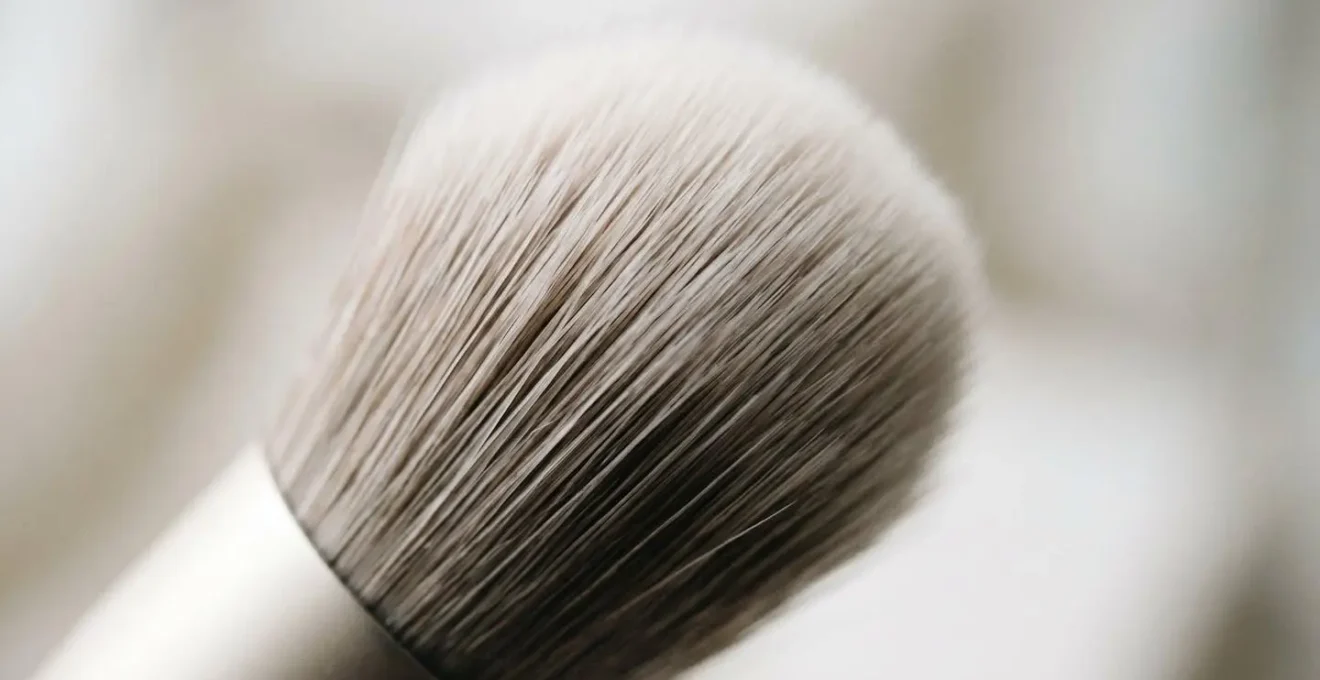
As this magnified view of brush bristles shows, the spaces between fibres are vast on a microscopic level. It’s in these crevices that bacteria find shelter. A professional-grade protocol is not just for makeup artists; it’s an essential practice for anyone who regularly uses brushes, especially around the eyes.
Your Weekly Brush Sterilisation Protocol
- Deep Cleaning: Once a week, wash brushes thoroughly with a gentle cleanser like Johnson’s Baby Shampoo diluted in lukewarm water. Swirl the bristles gently in your palm to release trapped makeup and oils, avoiding getting water into the ferrule (the metal part). Rinse under running water until it runs completely clear.
- Sterilisation Step: After washing and gently squeezing out excess water, lay the brushes on a clean surface. Thoroughly spray the bristles with a 70% isopropyl alcohol solution (available at any chemist like Boots). This concentration is crucial as it is more effective at killing bacteria than higher percentages.
- Proper Drying: Lay the sterilised brushes flat on a clean towel or with the bristles hanging over the edge of a counter to air dry overnight. Never dry them upright in a cup, as moisture will seep into the ferrule, loosening the glue and creating a breeding ground for mould and bacteria.
- Spot Cleaning (Daily): For brushes used with cream or liquid products, perform a daily spot clean. After use, spray a small amount of isopropyl alcohol onto a paper towel and gently wipe the brush bristles until no more pigment comes off. This prevents daily buildup.
- Know When to Replace: Even with perfect cleaning, bristles degrade over time, creating more microscopic cracks for bacteria to hide. Replace dense eye and foundation brushes every 3-6 months and fluffier powder brushes every 6-12 months.
Tightlining or Waterline: Which Application Technique Risks Blocking Your Oil Glands?
“Tightlining,” the technique of applying eyeliner to the upper “waterline” (the thin, moist rim of eyelid tissue inside the lash line), is popular for creating a fuller lash look. However, from a dermatological standpoint, this practice poses a significant mechanical risk to your eye health. This delicate area is not just skin; it is populated by the openings of the Meibomian glands, which are crucial for maintaining a healthy tear film.
These tiny glands secrete an essential oil that forms the outermost layer of your tears, preventing them from evaporating too quickly. When you apply waxy or oily eyeliner directly over these openings, you are physically plugging them. This is not a theoretical risk; it is a direct cause of Meibomian Gland Dysfunction (MGD), a leading cause of dry eye disease. With the glands blocked, the eye’s surface becomes unstable, leading to symptoms of dryness, grittiness, burning, and chronic inflammation.
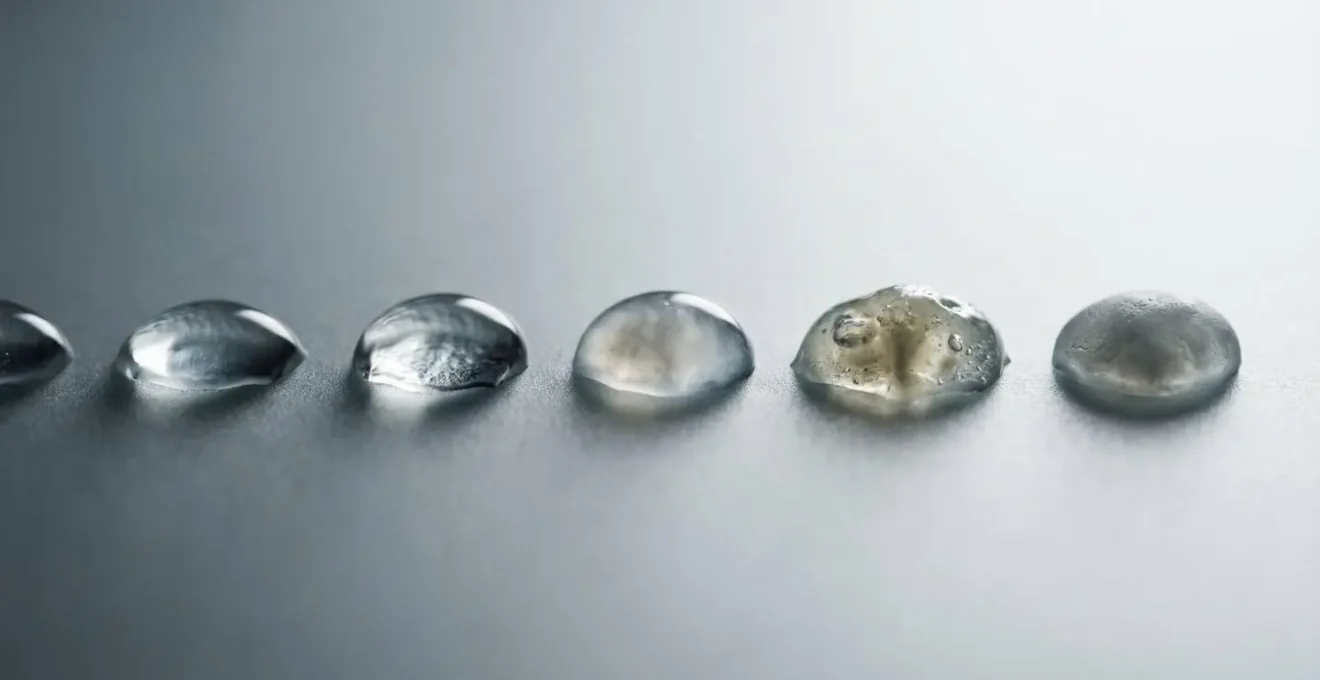
Imagine these glands as a series of delicate pores. Applying a thick, waterproof pencil is akin to filling them with wax. Over time, this blockage can become chronic, causing the glands to atrophy and die off permanently. This is particularly concerning given the high prevalence of MGD; according to clinical data from UK ophthalmology practices, 35.5% of people already have some form of this condition, often unknowingly. Tightlining can initiate or severely exacerbate it.
A safer alternative is to apply eyeliner just above the lash line on the eyelid skin itself, avoiding the wet mucosal surface of the waterline entirely. While the cosmetic effect might be slightly different, you preserve the function of these vital glands. If you must define this area, opt for a powder eyeshadow applied with a very fine, clean brush, as it is less likely to cause a complete blockage than a waxy pencil.
The Sleeping-in-Mascara Habit That Causes Chronic Inflammation
Forgetting to remove makeup before bed is a common misstep, but sleeping in mascara is uniquely dangerous. During the night, mascara dries, hardens, and flakes. These tiny, sharp particles of pigment and polymers can easily migrate into the eye. Once there, they act as foreign bodies, causing mechanical irritation and corneal abrasions—microscopic scratches on the surface of your eye. This is not just uncomfortable; it’s a breach in your eye’s primary defence system.
The College of Optometrists explicitly lists this as a cause of injury. An abrasion can feel like there is something stuck in your eye, causing pain, redness, excessive tearing, and light sensitivity. As stated in their clinical guidelines on the topic, a corneal abrasion can be caused by contact with mascara brushes or the product itself. Each scratch creates an entry point for bacteria, turning a simple mechanical injury into a potentially severe infection. When combined with a contaminated mascara tube, the risk escalates dramatically.
The consequences can be devastating, moving far beyond a simple case of pink eye. The following real-world case demonstrates the direct link between a minor makeup-related injury and a sight-threatening infection.
Case Study: From Mascara Scratch to Corneal Abscess
A 47-year-old woman accidentally scratched her left eye with a mascara applicator. Within three days, she developed severe pain, light sensitivity, and swelling. Her condition progressed to a corneal abscess that severely impaired her vision, requiring hospital admission. A laboratory culture of both the scrapings from her cornea and the patient’s own mascara grew the same dangerous bacteria: Pseudomonas aeruginosa. This case, documented by the CDC, provides a stark illustration of how a contaminated product, combined with a minor abrasion, can lead to a serious ocular emergency.
Chronic inflammation is another consequence. Even if you avoid a major infection, the nightly cycle of micro-abrasions and the inflammatory response they trigger can lead to persistent redness, dry eye, and blepharitis. The habit of sleeping in mascara is a direct assault on the delicate ocular surface, and abandoning it is a non-negotiable aspect of responsible eye care.
When to Throw Away Travel Cosmetics to Avoid Holiday Eye Infections?
The makeup you take on holiday is exposed to unique and extreme environmental stressors that can rapidly degrade its safety. The two biggest culprits are heat and pressure changes, both of which can compromise the preservative systems that protect you from bacteria. The mascara that was safe at home in the UK can become a petri dish after a week in a hot climate or a flight in a plane’s cargo hold.
Heat is a powerful accelerator for bacterial growth. In temperatures above 25°C, common in many holiday destinations, bacteria like E. coli and Staphylococcus can multiply exponentially. This means the three-month rule no longer applies; a product’s safety can be compromised in a matter of days. Furthermore, extreme temperature fluctuations, such as a product moving from an air-conditioned hotel room to a hot beach, can cause the formula to separate, rendering the preservatives ineffective.
Air travel adds another layer of risk. The cargo holds of aeroplanes are often unpressurised and unheated, experiencing temperatures that can swing wildly. This can break the emulsion in cream-based products and damage the chemical structure of preservatives. Another often-overlooked risk is water contamination. Rinsing a brush or sponge in local tap water abroad can introduce pathogens like Acanthamoeba, a microorganism that can cause a severe, painful, and sight-threatening corneal infection, which is eliminated from the treated water supply in the UK.
For these reasons, a strict “post-holiday cull” of your travel cosmetics is not wasteful; it is a crucial preventative measure. The following protocol should be adopted after every trip:
- The Checked Luggage Rule: Immediately discard any liquid or cream eye makeup (mascara, liquid liner, cream shadow) that travelled in your checked luggage. The temperature extremes in the cargo hold make them unsafe, regardless of age.
- The Hot Climate Rule: If you travelled to a destination where temperatures exceeded 25°C, replace all eye makeup used during the trip. The accelerated bacterial growth makes it a serious risk.
- The Water Contamination Rule: Throw away any product that may have come into contact with non-UK tap water. This includes makeup applied with a dampened brush or sponge.
- The Mini-Product Rule: Travel-sized “mini” products have a higher surface-area-to-volume ratio and a less robust preservative system. They should be considered single-trip items and discarded upon your return.
Why Do Demodex Mites Thrive on Unwashed Eyelids?
While bacteria are a major cause of eye irritation, they are not the only culprits. An often-overlooked factor is an overgrowth of Demodex, microscopic mites that are a natural part of our skin’s microfauna. In small numbers, they are harmless. However, they feed on sebum (skin oil) and dead skin cells, and an environment rich in this “food”—such as eyelids that are not regularly and thoroughly cleansed—can lead to a population explosion.
These mites live in and around the hair follicles, including the eyelash follicles. A high population of Demodex leads to a condition known as Demodex blepharitis. The irritation is caused by several factors: the physical presence of the mites blocking the follicles, their waste products triggering an inflammatory and allergic reaction, and the bacteria that they carry on their bodies. A key sign of Demodex overgrowth is the presence of “cylindrical dandruff,” a waxy, sleeve-like debris at the base of the eyelashes.
The prevalence of this condition is shockingly high, especially among patients already seeking eye care. A 2025 UK multicenter audit revealed that 57.8% of routine adult eye clinic patients had Demodex blepharitis. This shows that for over half of patients experiencing eye issues, these mites are a contributing, if not the primary, cause. Failing to remove makeup thoroughly, especially oil-based products like foundation and concealer from around the eyes, provides an all-you-can-eat buffet for these mites.
Demodex blepharitis was particularly prevalent in patients with glaucoma, cataract, meibomian gland dysfunction, rosacea, and dry eye disease.
– Dr. Radhika Rampat, Real-World Burden of Demodex Blepharitis in the UK
This link is critical. If you suffer from any of these conditions, you are at a higher risk, and diligent eyelid hygiene becomes even more essential. The goal is not to eradicate the mites completely, which is impossible, but to control their population by depriving them of their food source through meticulous, daily cleansing of the eyelid margins.
Why Are Your Child’s Eyes Sticky in the Morning but Clear During the Day?
While this article focuses on makeup-related issues, it’s important to address a common and related concern many parents have: waking up to find their infant or young child has “sticky” or “goopy” eyes. This can be alarming, often mistaken for conjunctivitis (pink eye). However, in most cases, especially if the eye white is not red and the child is otherwise well, the cause is benign and very common.
The most frequent reason for this phenomenon is a partially blocked tear duct (nasolacrimal duct obstruction). Tears are produced to lubricate the eye and normally drain away through a tiny duct that runs from the inner corner of the eye to the nose. In many infants, this duct is not fully developed or open at birth. It is a developmental issue that almost always resolves on its own within the first year of life.
During the day, when a child is upright and blinking frequently, the tears are often able to drain sufficiently. However, during sleep, two things happen: the child is horizontal, and they are not blinking. This allows the normal mucus and tears to pool in the corner of the eye and dry into a crust. The “stickiness” is simply this collection of static tears and mucus, not necessarily a sign of infection.
A partially blocked tear duct (nasolacrimal duct obstruction) is extremely common in infants. During sleep, static tears and mucus collect, but daytime blinking and an upright posture help it clear.
– NHS Health Visitors guidance
The correct management is gentle cleaning. Using a piece of cotton wool moistened with cooled, boiled water, gently wipe from the inner corner of the eye outwards. Use a fresh piece for each wipe and for each eye. If the white of the eye becomes red, if the discharge turns green or yellow, or if the eyelid becomes swollen, you should seek medical advice from your GP or health visitor, as this could indicate an infection. But for simple morning stickiness, gentle hygiene is all that’s required.
Key Takeaways
- Time is a greater risk than brand: A three-month-old mascara from a luxury brand is more dangerous than a brand-new one from a budget line due to inevitable bacterial contamination.
- Cleaning is not sterilising: Washing brushes with soap removes pigment, but only a 70% isopropyl alcohol step will effectively kill infection-causing bacteria like Staph.
- Anatomy over aesthetics: Applying eyeliner to the inner waterline physically blocks crucial Meibomian glands, directly causing or worsening chronic dry eye disease.
Eyelid Hygiene: How to Manage Blepharitis Symptoms Without Expensive Scrubs?
Blepharitis, or inflammation of the eyelids, is the underlying condition behind many of the symptoms discussed, from redness and itching to grittiness and crusting. It can be caused by bacteria, an overgrowth of Demodex mites, or blocked Meibomian glands. While there are many expensive, specially formulated lid scrubs and wipes on the market, the cornerstone of effective, long-term management is a simple, consistent, and affordable daily hygiene routine that you can do at home.
The goal of this routine is twofold: first, to melt the solidified, waxy oils clogging the Meibomian glands, and second, to gently remove the buildup of bacteria, mites, and skin debris from the lash line. This mechanical cleaning disrupts the environment that pathogens and mites need to thrive. Consistency is far more important than the specific product used. Performing this routine daily will do more to control your symptoms than occasional use of a costly scrub.

This simple setup—a clean flannel, cotton buds, and boiled water—is all you need to establish an effective clinical-grade routine at home. Based on recommendations from UK optometrists and the NHS, the following evidence-based protocol is the most effective way to manage blepharitis symptoms.
- Step 1: The Hot Compress. Soak a clean flannel in hand-hot water (test on your wrist first). Wring it out and place it over your closed eyes for 5-10 minutes. The sustained heat is essential to melt the hardened oils within the eyelid glands. Re-warm the flannel every couple of minutes to maintain the temperature.
- Step 2: Glandular Massage. Immediately after the compress, while the oils are still liquefied, use a clean fingertip to gently but firmly massage along the eyelid margins. Massage the upper lid downwards towards the lashes, and the lower lid upwards towards the lashes. This expresses the trapped oils.
- Step 3: The Lid Scrub. Make your own gentle scrubbing solution by mixing one single drop of Johnson’s Baby Shampoo into a small cup of cooled, boiled water. Dip a cotton bud into the solution and gently scrub along the lash line of both the upper and lower lids. Use a new cotton bud for each eye to prevent cross-contamination.
Perform this entire routine twice a day during a flare-up and once a day for maintenance. If your symptoms do not improve after 2-4 weeks of consistent home treatment, it’s advisable to book an assessment with your local optometrist (e.g., Specsavers, Vision Express), as you may be eligible for a free consultation under the NHS Minor Eye Conditions Service (MECS).
By incorporating these evidence-based habits into your daily routine, you can take control of your eye health, moving beyond simply treating symptoms to proactively preventing them. Your eyes are too precious to risk for the sake of an old mascara or a time-saving shortcut. Start implementing these changes today for clearer, more comfortable eyes tomorrow.